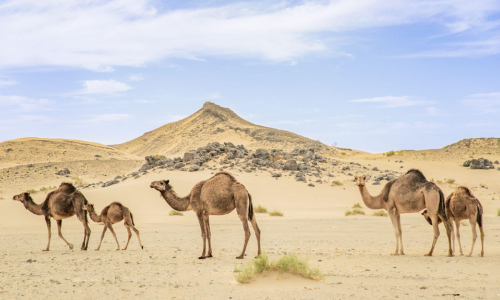
Encountering a wild animal can be an exciting and unforgettable experience. Whether you are hiking through a forest, camping in the mountains, visiting a national park, or exploring a nature reserve, wildlife may sometimes appear unexpectedly. While most animals prefer to avoid humans, knowing how to react can help keep both you and the animal safe.
The most important rule is to stay calm and remember that you are in the animal’s environment. Wild animals can behave unpredictably, especially if they feel threatened, are protecting their young, or are searching for food. Here are some important steps to follow if you encounter wildlife.
1. Stay Calm and Avoid Sudden Movements
If you suddenly notice a wild animal nearby, try not to panic. Sudden movements, shouting, or running may cause the animal to react defensively or become more alert.
Remain calm and observe the animal from a safe distance. Give yourself time to understand the situation before deciding what to do next.
2. Keep a Safe Distance
Never approach a wild animal, even if it appears calm or friendly. Animals can quickly change their behavior if they feel threatened.
Stay far enough away to allow the animal to move freely. If you want a better view, use binoculars or a camera with a zoom lens instead of walking closer.

3. Do Not Feed the Animal
Feeding wildlife can create dangerous situations. Animals may begin connecting humans with food and become more likely to approach people.
Human food may also be harmful to wild animals. Allowing animals to find their own natural food is always the safer and more responsible choice.
4. Slowly Move Away
If the animal is too close, slowly create more distance. Avoid turning your back suddenly or making quick movements.
Give the animal a clear path to leave. Never corner an animal or stand between a mother and her young.
5. Do Not Try to Touch or Rescue It
Even small animals can bite, scratch, or carry diseases. Avoid touching wild animals unless you are trained and authorized to handle them.
If you find an injured animal, contact local wildlife authorities, park staff, or an animal rescue organization instead of attempting to handle the situation yourself.
6. Keep Children and Pets Close
If you are exploring with children or pets, keep them close and under control. Children may be curious and accidentally move toward an animal.
Pets can also frighten wildlife or trigger defensive behavior. Keeping them under control reduces the risk of an unexpected encounter becoming dangerous.

7. Learn About Local Wildlife Before Traveling
Different animals require different safety responses. Before visiting a wildlife area, research the animals that live there and learn the official safety guidelines.
Understanding local wildlife can help you recognize warning signs and avoid unnecessary risks. Park rangers and official visitor centers are often excellent sources of information.
8. Never Run Toward or Chase an Animal
Trying to chase wildlife for a closer look or photograph can stress the animal and create a dangerous situation. Running toward an animal may also cause it to react defensively.
Always allow wildlife to behave naturally. Observe quietly and avoid interfering with its movement.
9. Follow Local Safety Instructions
National parks and wildlife reserves often have specific rules for animal encounters. These may include staying inside a vehicle, keeping a required distance, or avoiding certain trails.
Follow signs and instructions from park staff. These rules are designed to protect both visitors and wildlife.
10. Remember That Every Encounter Is Different
There is no single response that is safe for every type of wild animal. A small snake, a deer, a large predator, and a marine animal may require very different actions.
The best approach is to avoid general assumptions. Learn the official guidance for the specific animals and location you are visiting.
Final Thoughts
Encountering wildlife can be one of the most exciting parts of exploring nature, but safety and respect should always come first. Stay calm, keep your distance, avoid feeding or touching animals, and follow local guidelines.
Remember that wild animals are not pets, and their behavior cannot always be predicted. By acting responsibly, you can protect yourself while allowing the animal to remain safe and undisturbed in its natural home.