Nature is made up of countless living things that depend on one another to survive. Animals, plants, insects, fungi, water, soil, and even sunlight all work together in different environments. This connected system is known as an ecosystem.
Understanding ecosystems helps us see why every part of nature matters. A small change to one species or resource can affect many others. Whether it is a forest, ocean, desert, or garden, every ecosystem has its own unique balance.
What Is an Ecosystem?
An ecosystem is a community of living organisms interacting with each other and with their environment. The living parts include animals, plants, insects, fungi, and microorganisms.
The non-living parts include sunlight, water, air, soil, rocks, and temperature. All of these elements influence how life survives in a particular area.
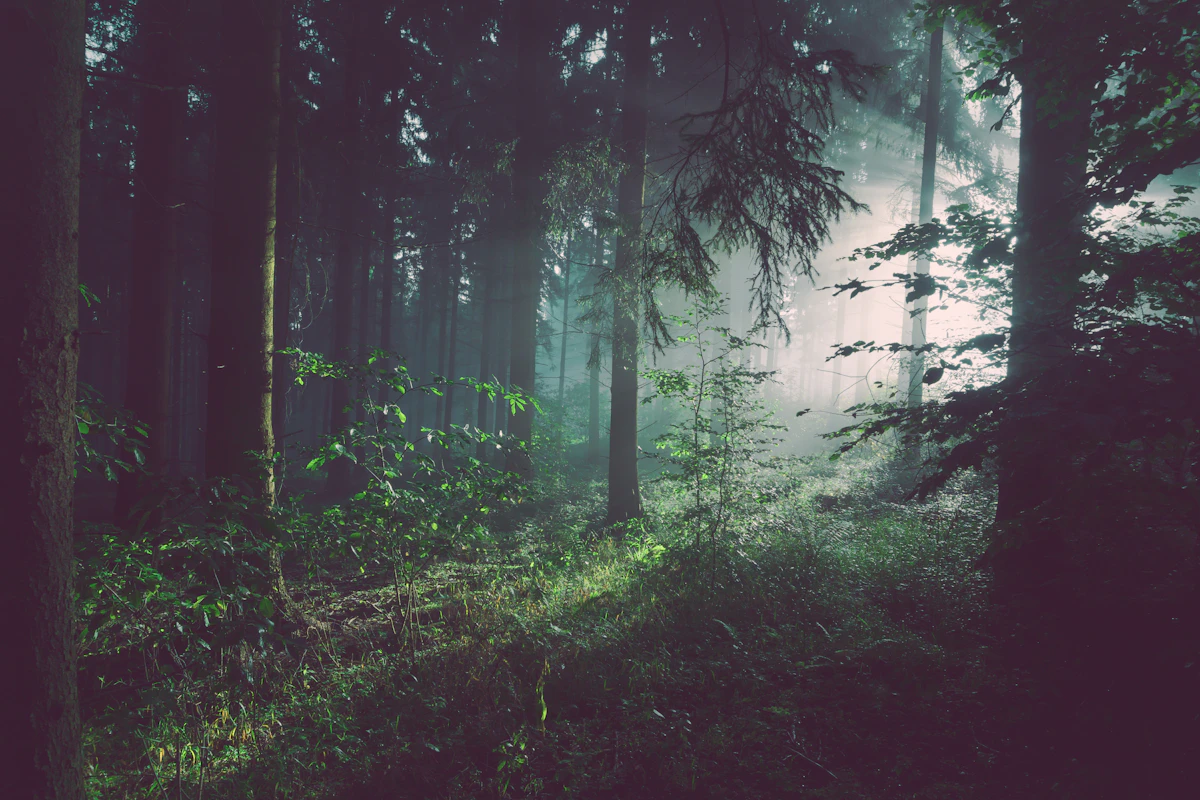
For example, a forest ecosystem includes trees, birds, insects, mammals, soil, rainfall, and sunlight. Each part plays a role in keeping the environment functioning.
The Living Parts of an Ecosystem
Living organisms in an ecosystem can be grouped according to how they get energy.
Producers are organisms, mainly plants, that create their own food using sunlight. They form the foundation of many food chains.
Consumers are animals that get energy by eating plants or other animals. Herbivores eat plants, while carnivores eat other animals. Omnivores eat both.
Decomposers, such as fungi and certain microorganisms, break down dead plants and animals. This process returns important nutrients to the soil.
How Energy Moves Through an Ecosystem
Most ecosystems depend on energy from the sun. Plants capture sunlight and use it to grow. Animals then gain energy by eating plants or other animals.
A simple example is:
Sun → Grass → Rabbit → Fox
The grass uses energy from the sun. The rabbit eats the grass, and the fox may eat the rabbit.
This connection is called a food chain. In reality, ecosystems contain many connected food chains, creating a larger system called a food web.
Different Types of Ecosystems
Ecosystems can be found almost everywhere on Earth. Forest ecosystems are filled with trees, insects, birds, and mammals. Desert ecosystems support species adapted to hot, dry conditions.
Ocean ecosystems contain everything from tiny plankton to enormous whales. Freshwater ecosystems include rivers, lakes, ponds, and wetlands.
Even a small garden can be considered an ecosystem because plants, insects, birds, soil, water, and microorganisms interact with one another.
Why Balance Is Important
Ecosystems depend on balance. When one part changes, other parts can also be affected.
For example, if a predator disappears, the population of its prey may increase. This could lead to more pressure on plants and other food sources. Over time, changes can affect the entire ecosystem.
Natural events can also cause change. Storms, droughts, fires, and seasonal shifts can all influence how ecosystems function.
How Humans Affect Ecosystems
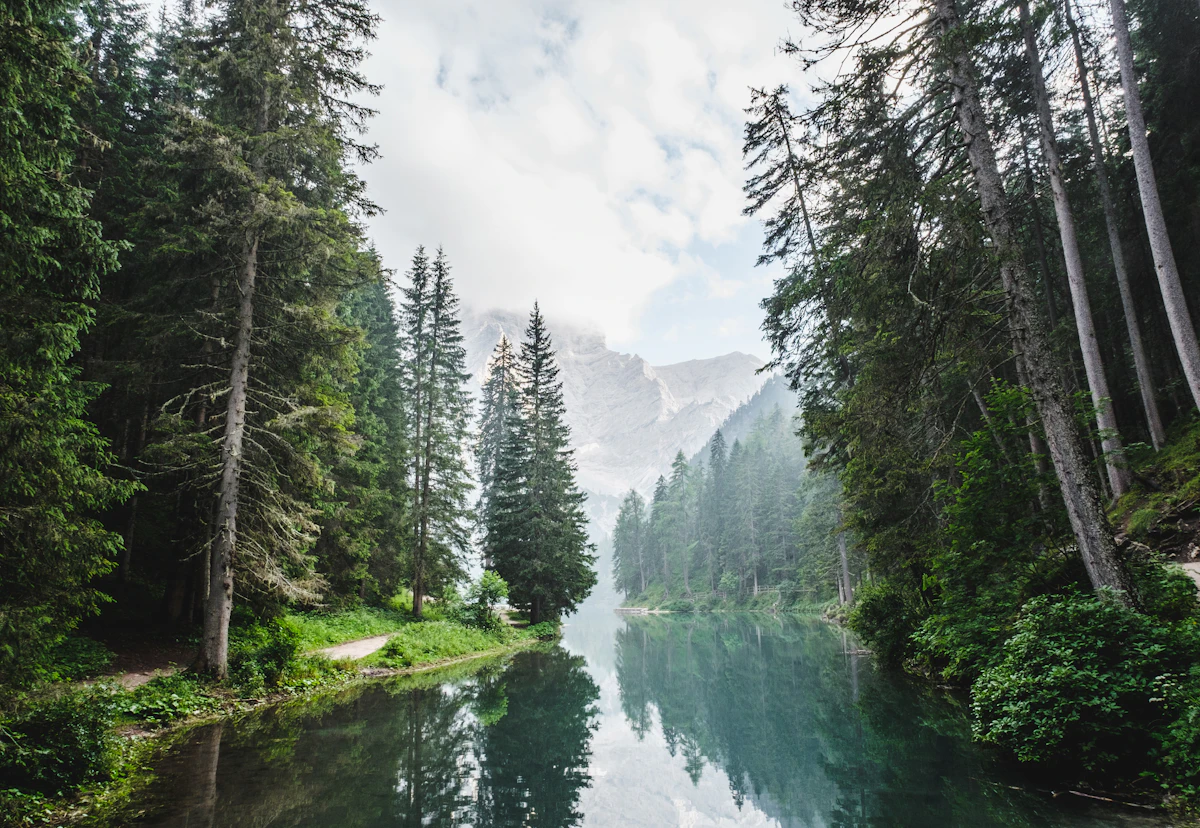
Humans can have both positive and negative effects on ecosystems. Pollution, deforestation, habitat destruction, and overuse of natural resources can damage wildlife and natural environments.
However, people can also help protect ecosystems. Creating protected areas, planting trees, reducing pollution, and using resources responsibly can support the health of natural environments.
Small actions can also make a difference. Protecting local green spaces, reducing waste, and creating wildlife-friendly gardens are simple ways to support biodiversity.
How You Can Help Protect Ecosystems
Learning about nature is an important first step. When people understand how ecosystems work, they are more likely to make responsible choices.
You can help by respecting wildlife, avoiding unnecessary waste, conserving water, and supporting efforts to protect natural habitats. Even small actions can contribute to a healthier environment.
Final Thoughts
Ecosystems show us how deeply connected life on Earth really is. Plants provide food and oxygen, animals help control populations and spread seeds, while decomposers recycle nutrients back into the environment.
No part of an ecosystem exists completely alone. Every living and non-living element has a role to play. By understanding and protecting these natural systems, we can help preserve the incredible diversity of life that makes our planet unique.