Traveling gives us a chance to step away from busy routines and reconnect with the natural world. Instead of spending an entire trip inside cities or crowded tourist attractions, you can choose experiences that put you closer to forests, mountains, oceans, rivers, and wildlife.
Nature-focused travel can be simple. You do not need expensive equipment or an extreme adventure. Sometimes, walking through a quiet forest or watching the sunrise from a mountain is enough to create a lasting memory.
Here are 10 travel experiences that can help you feel more connected to nature.
1. Hike Through a Natural Landscape
Hiking is one of the easiest ways to experience nature at your own pace.
A trail can take you through forests, mountains, valleys, deserts, or coastal areas. Walking instead of driving allows you to notice details you might otherwise miss, such as birds, wildflowers, unusual rocks, and animal tracks.
Choose a trail that matches your fitness and experience level, and always check local conditions before starting.
2. Spend a Night Camping
Camping allows you to experience nature beyond daylight hours.
After the sun goes down, the sounds of the outdoors become much more noticeable. You may hear insects, birds, wind moving through trees, or water flowing nearby.
Choose an established campsite where possible, follow local fire regulations, and store food appropriately. A night beneath the stars can make you appreciate the natural world in a completely different way.
3. Go Wildlife Watching
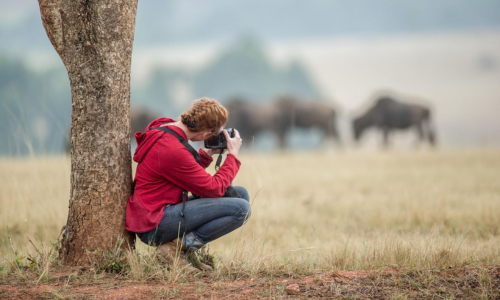
Watching animals in their natural environment can be far more meaningful than simply seeing them in photographs.
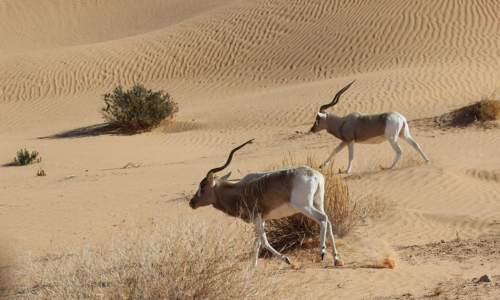
You might observe birds in a wetland, monkeys in a forest, elephants on a safari, or marine animals along a coastline.
The key is patience. Stay quiet, maintain a safe distance, and never feed or chase wildlife. The goal is to observe animals without changing their natural behavior.
4. Explore a National Park
National parks protect some of the world’s most remarkable landscapes and ecosystems.
Visiting one gives you an opportunity to experience nature while also learning about conservation.
You can hike trails, visit viewpoints, photograph landscapes, observe wildlife, or simply spend time surrounded by natural scenery.
Before visiting, check park rules, trail conditions, entrance requirements, and seasonal closures.
5. Kayak on a Lake or River
Being on the water offers a completely different perspective of a natural landscape.
Kayaking can take you through calm lakes, rivers, wetlands, and coastal areas while allowing you to move quietly through the environment.
For beginners, start with calm water and appropriate safety equipment. Always check weather and water conditions before heading out.
6. Watch the Sunrise or Sunset
You do not need an expensive activity to connect with nature.
Find a safe viewpoint and watch the sky change as the sun rises or sets. Mountains, beaches, deserts, and open countryside can all provide beautiful settings.
Arrive early enough to settle in rather than rushing to the viewpoint at the last minute.


7. Take a Forest Walk
Forests offer a peaceful environment where you can slow down and pay attention to your surroundings.
Instead of rushing through a trail, walk at a comfortable pace and observe the small details around you. Listen to birds, notice different plants, and look for signs of wildlife.
A simple forest walk can be surprisingly relaxing and memorable.
8. Visit a Remote Beach
A quiet beach can provide an excellent opportunity to escape busy tourist areas.
Walk along the shoreline, explore tide pools where permitted, watch seabirds, or simply listen to the waves.
Choose beaches where access is legal and follow local environmental rules. Avoid disturbing nesting birds, marine animals, or sensitive coastal habitats.
9. Stargaze Away From City Lights
The night sky looks completely different when you leave areas affected by light pollution.
Travel to a safe location with clear skies and spend some time watching the stars. Remote deserts, mountains, forests, and rural areas can offer excellent conditions.
You do not need advanced astronomy equipment. A comfortable place to sit and a clear night can be enough.
If you are heading outdoors after dark, bring reliable lighting and make sure someone knows where you are.
10. Take a Slow Nature-Focused Trip
One of the best ways to connect with nature is to slow down.
Instead of visiting several destinations in a few days, choose one natural area and spend more time there.
You might hike in the morning, have a quiet afternoon near a lake, watch wildlife before sunset, and spend the evening looking at the stars.
Slow travel gives you more time to notice your surroundings and enjoy experiences without constantly checking the clock.
How to Make Your Nature Experiences More Meaningful
Being in nature is only part of the experience. How you behave while you are there also matters.
Put your phone away occasionally and give yourself time to observe your surroundings. Learn about the ecosystem you are visiting and understand why it is important.
Avoid leaving rubbish, damaging plants, feeding wildlife, or taking natural objects home.
If you hire local guides or visit community-run attractions, supporting responsible local businesses can also contribute to conservation and local livelihoods.
Final Thoughts
You do not need to climb the world’s highest mountain or travel to the most remote location to feel closer to nature.
A simple hike, a night under the stars, a quiet forest walk, or watching wildlife can create a powerful connection with the outdoors.
The important thing is to slow down, pay attention, and experience your surroundings rather than simply passing through them.
Choose experiences that respect nature, travel responsibly, and give yourself enough time to truly enjoy the places you visit. Sometimes, the simplest moments in nature become the ones you remember the longest.