Traveling more does not always require a large budget. With smart planning, flexible choices, and a willingness to explore differently, you can enjoy more trips without constantly worrying about expenses.
Whether you love hiking, camping, wildlife, or discovering new natural places, there are many ways to reduce travel costs while still having memorable experiences.
Here are some practical ways to travel more while spending less.
1. Choose Affordable Destinations
One of the easiest ways to reduce travel expenses is to choose destinations that naturally cost less.
Instead of always visiting the most popular tourist locations, consider smaller towns, less crowded natural areas, or nearby destinations. You may discover beautiful landscapes without paying premium prices for accommodation and activities.
Sometimes, an adventure closer to home can be just as memorable as an expensive international trip.
2. Travel During the Off-Season
Traveling during peak periods can significantly increase accommodation and transportation costs.
If your schedule is flexible, consider visiting during quieter seasons. You may find better prices, fewer crowds, and a more peaceful experience.
Before booking, make sure the weather and local conditions are still suitable for the activities you want to enjoy.

3. Plan Your Trips in Advance
Last-minute bookings can sometimes be expensive, particularly when transportation and accommodation options are limited.
Planning ahead gives you more time to compare prices and choose affordable options. Create a rough itinerary before your trip and research transportation, accommodation, entrance fees, and activities.
However, avoid planning every minute. Leaving some flexibility can allow you to take advantage of affordable opportunities along the way.
4. Travel Light
Packing light can make traveling simpler and sometimes cheaper.
A smaller bag may reduce baggage costs on some airlines and makes it easier to use public transportation instead of taxis. You also spend less time managing your belongings.
Pack versatile clothing and focus on essentials rather than bringing items you may never use.
5. Stay in Budget Accommodation
You do not need a luxury hotel to enjoy a destination.
Depending on where you travel, consider hostels, guesthouses, budget hotels, campsites, or other affordable accommodation options.
If you are visiting a natural destination, camping may be another option where permitted. Always check local camping rules before setting up a tent.
6. Cook Some of Your Own Meals
Food can become a surprisingly large part of a travel budget.
If your accommodation provides cooking facilities, prepare some meals yourself. Even replacing a few restaurant meals with simple groceries can reduce your overall spending.
For outdoor adventures, pack affordable snacks such as nuts, dried fruit, sandwiches, or energy bars.
7. Use Public Transportation
Taxis and private transfers can quickly increase travel costs.
Where practical and safe, consider buses, trains, shared transportation, or walking. Public transportation can also give you a better opportunity to experience everyday life in the destination.
For road trips, sharing fuel costs with friends can also make transportation more affordable.
8. Focus on Free Outdoor Activities
Some of the best travel experiences cost little or nothing.
Hiking, walking, photography, sightseeing, swimming in permitted areas, bird watching, and enjoying scenic viewpoints can provide hours of entertainment without expensive tickets.
Nature is often the biggest attraction, so look for destinations where outdoor activities are easily accessible.
9. Travel With Friends
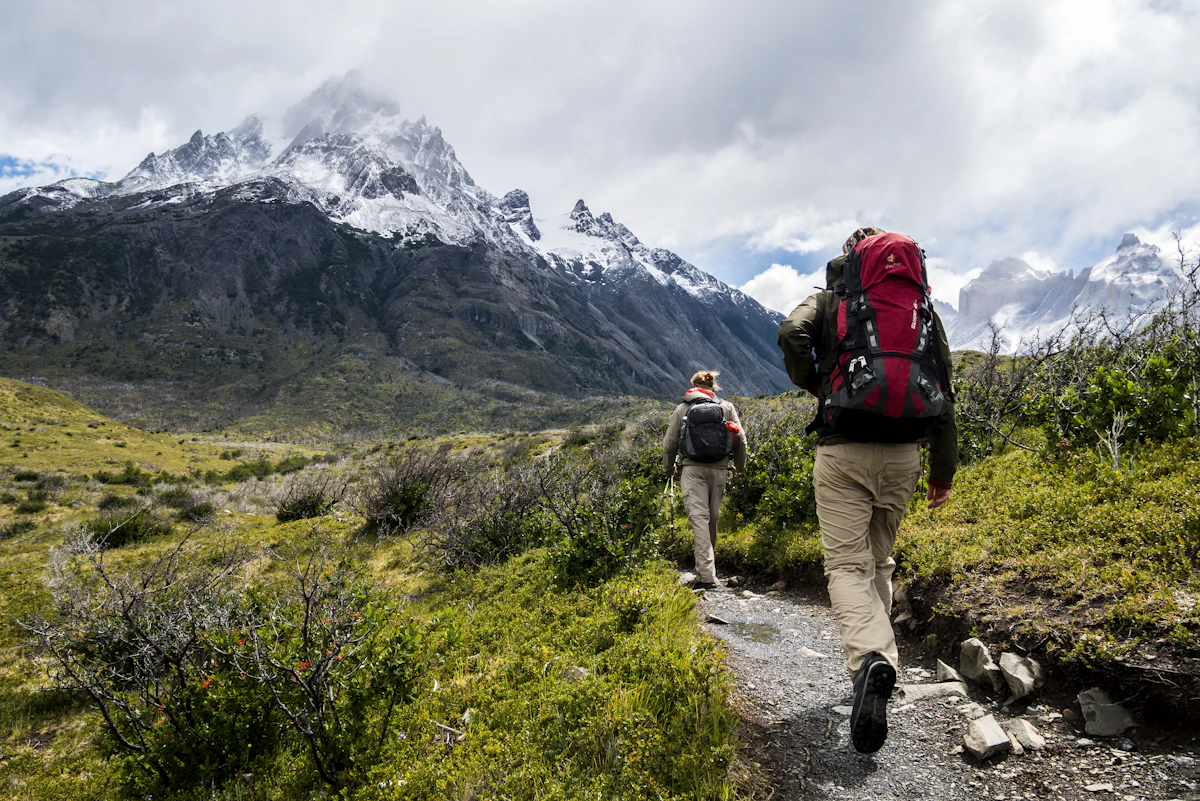
Sharing a trip with friends or family can reduce the cost of accommodation, transportation, and other expenses.
For example, several people can share the cost of a rental vehicle or campsite. Group travel can also make outdoor adventures more enjoyable.
Just make sure everyone agrees on the budget and itinerary before leaving.
10. Avoid Unnecessary Purchases
Small expenses can quickly add up during a trip.
Souvenirs, expensive snacks, unnecessary equipment, and frequent upgrades may seem inexpensive individually, but together they can make a significant difference.
Before buying something, ask yourself whether you actually need it or whether it is simply an impulse purchase.
11. Use the Gear You Already Own
Adventure travelers often feel they need expensive equipment before starting a trip. In reality, many simple adventures require surprisingly little gear.
For a basic hike, comfortable footwear, suitable clothing, water, navigation tools, and basic safety supplies may be enough.
For specialized activities, consider renting equipment rather than purchasing something you may only use once or twice.
12. Create a Dedicated Travel Fund
Saving becomes easier when you separate travel money from your everyday spending.
Set aside a small amount regularly, even if it seems insignificant. Over time, those contributions can become enough for transportation, accommodation, or an entire short trip.
You can also reduce unnecessary everyday expenses and direct the savings toward your next adventure.
13. Look for Local Adventures
You do not always need to travel far to experience something new.
Explore nearby hiking trails, parks, lakes, forests, viewpoints, or historical areas. A weekend adventure close to home can cost far less than an international trip while still giving you a break from your normal routine.
These shorter trips can also help you discover places you may have overlooked.
Final Thoughts
Traveling more while spending less is mostly about making smarter choices rather than eliminating all spending.
Choose affordable destinations, travel during quieter periods, compare transportation and accommodation options, prepare some of your own food, and take advantage of free outdoor activities.
Most importantly, do not feel pressured to make every trip expensive or luxurious. A simple weekend surrounded by nature can create just as many great memories as a costly vacation.
With careful planning and a flexible mindset, you can turn your travel budget into more adventures, more experiences, and more opportunities to explore the world.