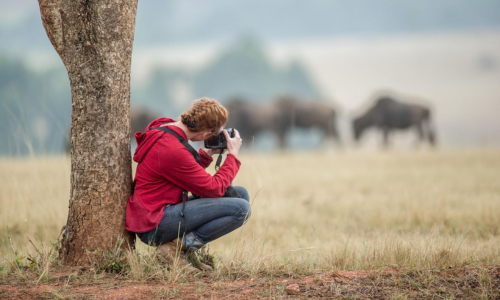
Wildlife watching is a wonderful way to connect with nature and learn more about animals in their natural surroundings. You do not need expensive equipment or years of experience to get started. With patience, curiosity, and respect for nature, almost anyone can enjoy observing wildlife. Whether you visit a forest, park, wetland, or even your own backyard, every outing can bring something interesting to discover.
What Is Wildlife Watching?
Wildlife watching means observing wild animals without disturbing their natural behavior. It can include watching birds, mammals, reptiles, insects, and other creatures. Unlike visiting a zoo, wildlife watching gives you the opportunity to see animals living naturally, searching for food, communicating, and interacting with their environment.
The goal is not simply to see as many animals as possible. A successful wildlife-watching trip can be as simple as quietly observing one bird or noticing signs such as footprints, nests, feathers, or feeding marks.
Choose the Right Location
For your first wildlife-watching adventure, choose a safe and accessible natural area. Local parks, nature reserves, forests, wetlands, and botanical gardens can all provide good opportunities.
Before visiting, learn about the animals commonly found in the area. Local wildlife guides, park information, and nature organizations can help you understand what species you might encounter.
Early morning and late afternoon are often productive times for wildlife watching because many animals are more active during these periods. However, every species has different habits, so researching your location beforehand can improve your chances of seeing something interesting.
Bring Simple Equipment
You do not need a large collection of equipment to begin. A few basic items can make your experience easier and more enjoyable.
Useful wildlife-watching equipment includes:
- Binoculars for viewing animals from a safe distance
- A notebook for recording observations
- A field guide or wildlife identification app
- Comfortable outdoor clothing
- Water and appropriate snacks
- A phone or camera for taking distant photographs
If you are just starting, use equipment you already have. Experience and observation skills are more important than expensive gear.
Learn to Be Patient and Quiet
Wildlife watching requires patience. Animals may hide, move quickly, or remain still for long periods. Instead of constantly walking around searching, find a suitable location and spend some time quietly observing.
Move slowly and avoid sudden movements. Keep conversations quiet and silence unnecessary phone sounds. The less noticeable you are, the more likely animals are to continue their normal activities.
Pay attention to movement, sounds, rustling leaves, tracks, and changes in the surroundings. Sometimes you may hear an animal before you see it.
Keep a Safe Distance
Respecting wildlife should always be your top priority. Never chase, corner, feed, touch, or attempt to attract wild animals. Getting too close can cause stress and may interfere with feeding, nesting, or caring for young.
Use binoculars or a camera’s zoom instead of approaching an animal. If an animal changes its behavior because of your presence, increase your distance.
Keep a Wildlife Journal
A wildlife journal can make each trip more meaningful. Record the date, location, weather, species observed, and interesting behaviors you noticed. You can also sketch animals or record their calls.
Over time, your notes can help you recognize seasonal patterns and improve your identification skills. You may also discover which locations and times are best for observing particular species.
Follow Nature-Friendly Rules
Responsible wildlife watching means leaving nature as you found it. Stay on designated paths where required, avoid disturbing nests and habitats, take your litter home, and follow local regulations.
Remember that wildlife watching is about observation, not interference. The best experience is one where you can enjoy nature while allowing animals to live normally.
Final Thoughts
Wildlife watching is an accessible hobby that can turn an ordinary walk into an exciting nature adventure. Start with nearby natural areas, learn about local species, carry a few simple tools, and give yourself plenty of time to observe.
Most importantly, be patient and respectful. The more you practice, the better you will become at noticing wildlife and understanding the natural world around you.