A campfire can make an outdoor adventure feel warm, relaxing, and memorable. It can provide warmth, light, and a place to cook when fires are permitted. However, fire can also become dangerous quickly if it is not handled responsibly.
Learning how to build and manage a campfire safely is an important skill for campers and outdoor enthusiasts. Before starting, always check local regulations, fire restrictions, and weather conditions. If fires are prohibited, use a camping stove or another safe alternative instead.
1. Check the Rules First
Not every campsite or wilderness area allows campfires. During dry seasons, authorities may restrict fires because of wildfire risks.
Before your trip, check the rules for your specific location. If a fire ban is active, never try to ignore it. A small fire can spread rapidly under dry and windy conditions.
2. Use an Established Fire Ring
If campfires are allowed, use an existing fire ring or designated fire pit whenever possible. These areas are designed to contain the fire and reduce the chance of flames spreading.
Avoid creating a new fire pit unnecessarily. Choose a location away from tents, dry grass, low branches, and anything else that could catch fire.
3. Clear the Area Around the Fire
Keep the area around the fire free from dry leaves, grass, branches, and other flammable materials.
Make sure there is enough open space around the fire so sparks and flames cannot easily reach nearby objects. Never leave clothing, backpacks, tents, or other equipment too close to the fire.
4. Gather Suitable Firewood
Use dry, locally permitted firewood for your campfire. Do not cut down living trees or damage vegetation.
In many areas, bringing firewood from outside can spread insects and diseases to local forests. Follow local guidance about where to obtain firewood.

5. Start the Fire Carefully
Place a small amount of dry tinder in the center of the fire ring and add small pieces of kindling around it. Once the kindling catches, gradually add larger pieces of wood.
Avoid using gasoline, kerosene, or other highly flammable liquids to start a campfire. They can cause sudden and dangerous flames.
6. Keep the Fire Small
A campfire does not need to be large to provide warmth or light. A smaller, controlled fire is easier to manage and safer than a large one.
Only add enough wood to maintain the fire you need. Keep flames contained within the designated fire area.
7. Never Leave a Fire Unattended
Always have an adult watching the fire while it is burning. Do not leave it unattended, even for a short time.
Wind can carry burning embers beyond the fire ring, potentially starting a wildfire. Keep water or another suitable means of extinguishing the fire nearby.
8. Keep Children and Pets at a Safe Distance
Fire can cause serious burns very quickly. Keep children and pets away from the fire area and make sure they understand that the fire is not a place to play.
Be especially careful around hot rocks, cooking equipment, and embers because they can remain dangerously hot after the flames disappear.
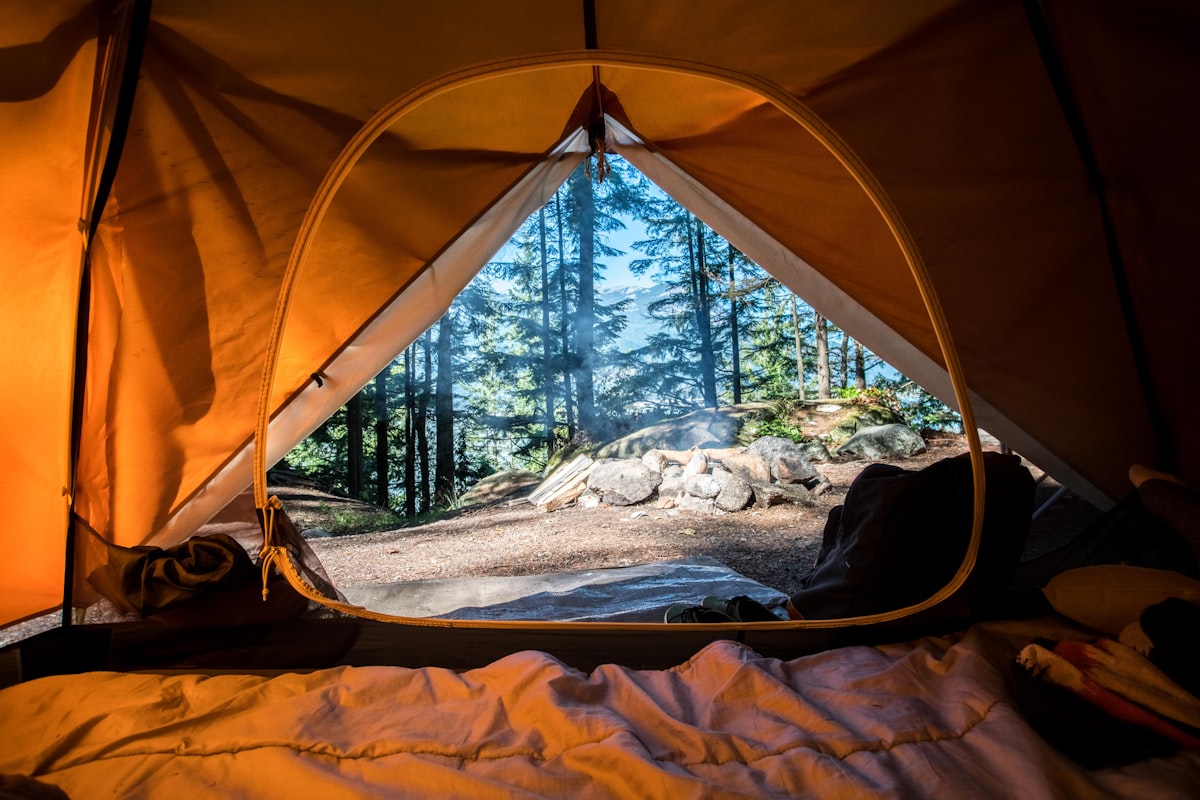
9. Extinguish the Fire Completely
When you are finished, put the fire out completely. Pour plenty of water over the flames and embers, then carefully stir the ashes.
Continue adding water and stirring until everything is cool to the touch. Never assume that a fire is safe simply because there are no visible flames.
10. Leave the Area Safe
Before leaving your campsite, inspect the fire area carefully. Make sure there are no remaining hot embers or smoking materials.
If you used an established fire ring, leave it clean and follow the campsite’s instructions for disposing of cooled ashes.
Final Thoughts
A campfire can be a wonderful part of camping when it is allowed and managed responsibly. The most important rules are simple: check local fire restrictions, use designated fire areas, keep flames small, never leave a fire unattended, and extinguish it completely.
Fire safety is everyone’s responsibility. By taking a few extra precautions, you can enjoy the warmth and atmosphere of a campfire while reducing the risk to people, wildlife, and the surrounding environment.