Mountain hiking offers some of the most rewarding outdoor experiences. Reaching a high viewpoint, walking through quiet valleys, and seeing landscapes from above can create memories that last for years. At the same time, mountain trails can be more demanding than ordinary walks, with steep climbs, changing weather, and uneven terrain.
Whether you are planning your first mountain hike or preparing for a more challenging route, proper preparation is essential. Understanding the trail, carrying the right equipment, and knowing your limits can make your adventure safer and more enjoyable.
1. Choose a Suitable Mountain Trail
Start by choosing a route that matches your experience and fitness level. Do not select a difficult trail simply because the scenery looks impressive.
Check the distance, elevation gain, terrain, estimated hiking time, and difficulty rating. Beginners should start with shorter routes before attempting longer or steeper mountain hikes.
2. Research the Route
Before leaving, learn as much as possible about the trail. Look for information about trail conditions, steep sections, water sources, possible hazards, and closures.
Study a map and understand the main landmarks along your route. Knowing where you are going can make navigation much easier once you are on the mountain.
3. Check the Weather
Mountain weather can change quickly. A sunny morning can turn into a cold, rainy, or windy afternoon.
Check the forecast before your hike and pay attention to warnings. If dangerous weather is expected, consider postponing your trip. It is much safer to change your plans than to become caught in severe conditions.

4. Wear Appropriate Footwear
Mountain trails often include rocks, loose soil, mud, and steep sections. Comfortable footwear with good traction can help you maintain stability.
For more challenging terrain, supportive hiking boots may be useful. Whatever footwear you choose, make sure you have used it before a long hike to reduce the chance of blisters.
5. Dress in Layers
Temperatures can change significantly as you gain elevation. Wearing layers allows you to adjust your clothing as conditions change.
Carry protection from wind and rain, even if the weather looks pleasant when you begin. Avoid relying on a single layer for an entire mountain journey.
6. Carry Enough Water and Food
Mountain hiking can require more energy than walking on flat ground. Carry enough water and nutritious food for the planned journey.
Snacks such as nuts, dried fruit, sandwiches, or energy bars can provide useful energy during breaks. Consider carrying extra supplies if the route is remote or conditions are unpredictable.
7. Pace Yourself
Do not try to rush up the mountain. A steady pace can help conserve energy, especially during long climbs.
Take short breaks when necessary and drink water regularly. If you become unusually tired, slow down and reassess your plans.
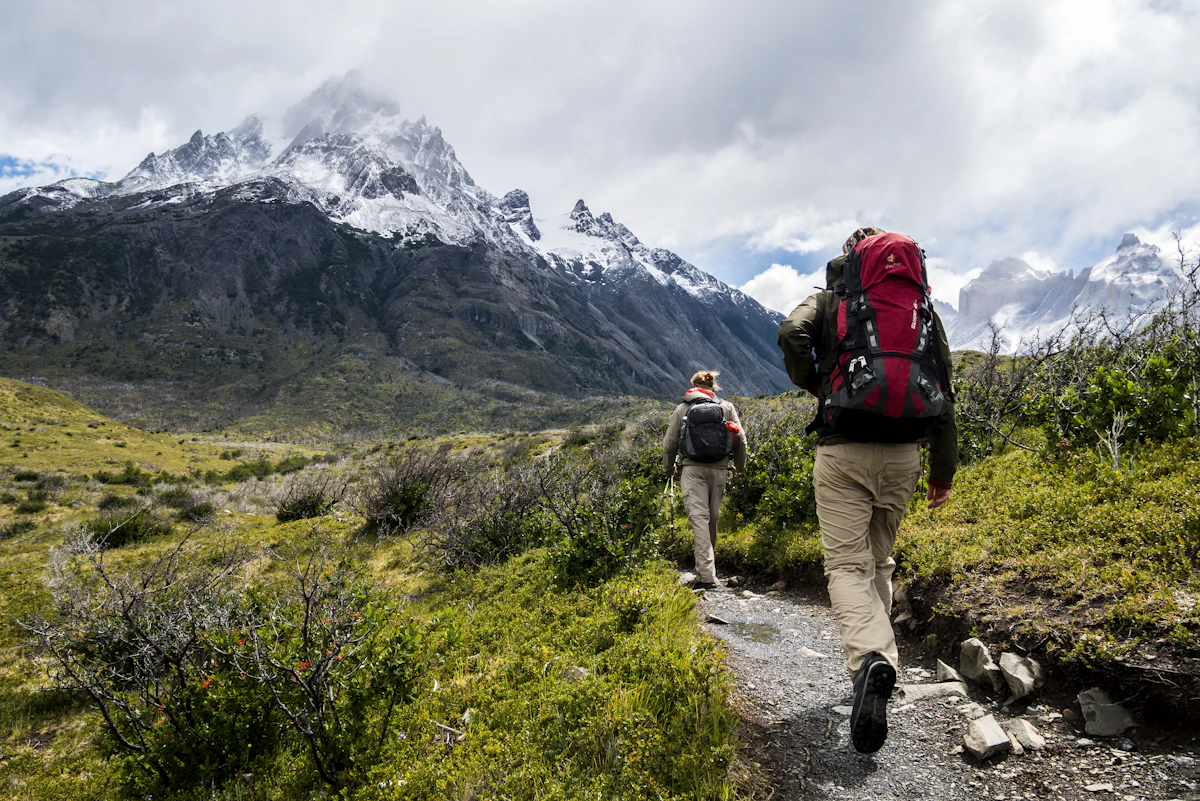
8. Learn Basic Navigation
Mountain trails can sometimes be confusing, especially when visibility is reduced by fog, rain, or snow.
Carry a physical map and understand how to use it. A compass can also be valuable. Do not depend entirely on your phone because batteries and mobile signals may not always be reliable.
9. Tell Someone Your Plans
Before starting a mountain hike, tell someone where you are going and when you expect to return.
For remote routes, provide details about your planned trail and starting point. This information can become extremely important if you experience an emergency or fail to return on time.
10. Respect Wildlife and Nature
Mountains are home to many wild animals and delicate ecosystems. Observe wildlife from a safe distance and never feed or approach animals.
Stay on designated trails when possible, take your rubbish with you, and avoid damaging plants or natural features.
11. Know When to Turn Back
Reaching the summit is not more important than your safety. If weather conditions worsen, you become exhausted, or the trail becomes more dangerous than expected, turn back.
Experienced hikers understand that changing plans is part of responsible outdoor travel.
12. Pack Basic Emergency Equipment
Your equipment should match the length and difficulty of your hike. Basic items can include a first-aid kit, headlamp, extra clothing, navigation tools, water, food, and a fully charged phone.
For remote or demanding routes, additional emergency equipment may be appropriate.
Final Thoughts
Mountain hiking can be an unforgettable way to explore nature, challenge yourself, and experience incredible landscapes. However, the mountains deserve respect and careful preparation.
Choose a suitable route, check the weather, wear appropriate clothing, carry enough supplies, and understand your navigation tools. Most importantly, know your limits and be willing to turn back when conditions become unsafe.
With preparation and patience, mountain hiking can become a rewarding outdoor activity that keeps you coming back to explore new trails and beautiful places.