Hiking is one of the best ways to enjoy nature, improve your fitness, and take a break from everyday life. You do not need to be an experienced adventurer to start hiking. With the right preparation and a suitable trail, almost anyone can enjoy spending time outdoors.
For beginners, the most important things are choosing the right route, wearing appropriate clothing, carrying essential supplies, and understanding basic safety rules. This guide will help you prepare for your first hiking adventures and build confidence on the trail.
1. Start With an Easy Trail
Your first hike should be enjoyable, not overwhelming. Choose a short and well-marked trail that matches your current fitness level.
Avoid starting with difficult mountain routes or long hikes that require advanced experience. As you become more comfortable, you can gradually increase the distance and difficulty.
2. Check the Weather Before You Leave
Weather can change your hiking experience completely. Check the forecast before leaving and prepare for possible changes.
Hot weather may require extra water and sun protection, while cold or rainy conditions require suitable clothing. If severe weather is expected, it is usually safer to postpone your hike.
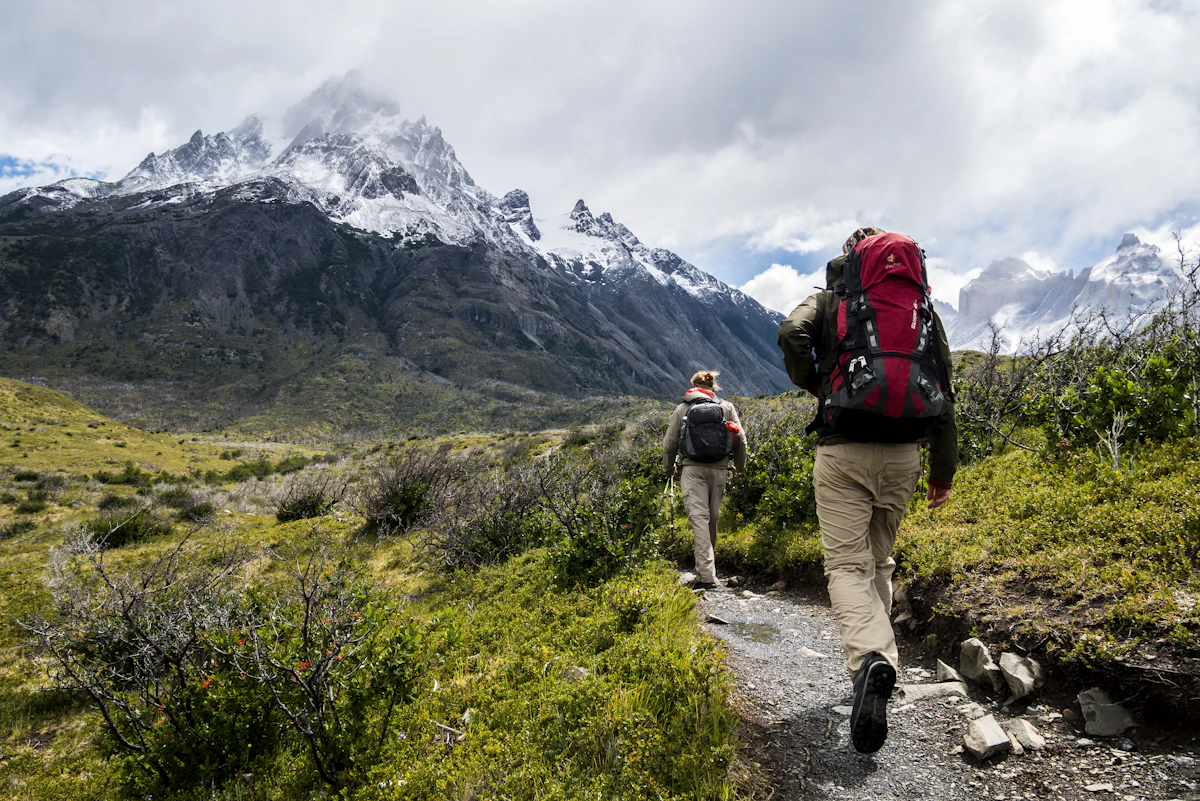
3. Wear Comfortable Hiking Shoes
Good footwear can make a major difference during a hike. Your shoes should be comfortable, provide support, and offer enough grip for the terrain.
You do not always need expensive hiking boots for an easy trail, but avoid wearing shoes that are uncomfortable or have poor traction. Try your footwear before a longer trip to make sure it does not cause blisters.
4. Carry Enough Water
Staying hydrated is essential while hiking. Carry enough water for the length of your trip and consider the temperature and difficulty of the trail.
Longer or hotter hikes may require additional water. Do not wait until you feel extremely thirsty before drinking.
5. Pack Basic Essentials
Even a short hike can become difficult if you are unprepared. Carry useful items such as a small first-aid kit, a fully charged phone, snacks, sun protection, and a light jacket.
For longer hikes, you may also need a map, flashlight, power bank, and extra supplies. Pack according to the trail and expected conditions.
6. Tell Someone Where You Are Going
Before starting your hike, let a friend or family member know your planned route and expected return time.
This simple step can be important if you get lost or experience an emergency. If you are hiking in a remote area, avoid depending only on mobile service.
7. Stay on Marked Trails
Marked trails are safer and help protect the surrounding environment. Leaving the path can increase the risk of getting lost or entering dangerous areas.
Stay on official routes whenever possible and pay attention to trail signs. If you are unsure where to go, stop and check your map rather than continuing in the wrong direction.
8. Learn Basic Hiking Etiquette
Respect other hikers and the natural environment. Allow faster hikers to pass when appropriate and keep noise levels reasonable.
Take all your rubbish with you and avoid damaging plants or disturbing wildlife. The goal is to leave the trail as natural as possible for other visitors and animals.
9. Pace Yourself
You do not need to walk as fast as possible. Maintain a comfortable pace and take breaks when needed.
Beginners sometimes make the mistake of using too much energy at the beginning of a hike. A steady pace can help you enjoy the journey and finish with energy remaining.
10. Know When to Turn Back
Reaching the destination is not always the most important goal. If the weather becomes dangerous, you feel unwell, or the trail conditions are worse than expected, turning back can be the smartest decision.
Good hikers understand that safety comes before completing a route.
Final Thoughts
Hiking is a simple and rewarding activity that can help you explore beautiful places and connect with nature. You do not need advanced skills to begin—just good preparation and a sensible approach.
Start with easy trails, carry the right essentials, pay attention to weather conditions, and respect nature. As your confidence grows, you can explore longer and more challenging routes. Every great hiker starts somewhere, and your first step onto the trail could be the beginning of many unforgettable adventures.