Bees may be small, but their importance to life on Earth is enormous. These hardworking insects play a major role in natural ecosystems and food production. Every day, bees move from flower to flower collecting nectar and pollen. During this process, they help many plants reproduce.
Without bees and other pollinators, the world would look very different. Many plants would struggle to produce fruits and seeds, ecosystems could become less diverse, and some foods could become more difficult to grow. Understanding the importance of bees is the first step toward protecting them.
1. Bees Help Pollinate Plants
Pollination happens when pollen is moved from one flower to another, allowing many plants to reproduce. Bees are among the most effective pollinators because their bodies collect pollen while they visit flowers.
As bees travel between plants, they help flowers produce seeds and, in many cases, fruits. This simple activity supports countless plant species.
2. Bees Support Food Production
Many crops benefit from animal pollination. Bees help support the production of foods such as fruits, vegetables, nuts, and seeds.
Although not every food crop depends on bees, pollination can improve the growth and production of many important plants. This makes bees valuable to agriculture as well as natural ecosystems.
3. Bees Help Maintain Biodiversity
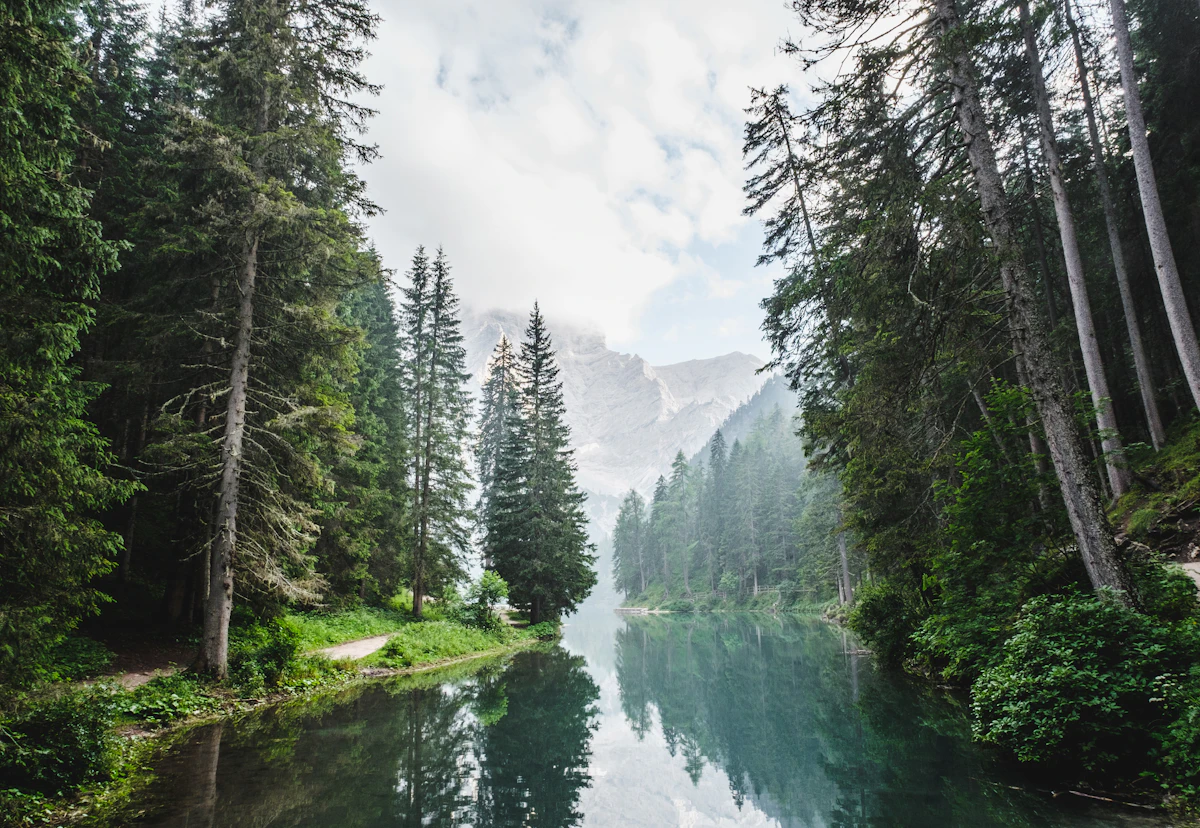
Bees pollinate a wide variety of wild plants. These plants provide food and shelter for birds, insects, and other animals.
When healthy populations of pollinators are present, ecosystems can support a greater variety of plant life. This helps maintain the natural balance of forests, grasslands, gardens, and other environments.
4. Bees Are Part of the Food Chain
Bees are not only important as pollinators. They are also part of food chains.
Birds, spiders, and other animals may feed on bees and related insects. Their presence helps support other species within an ecosystem.
5. Different Bees Have Different Roles
There are many different types of bees around the world. Some live in large colonies, while others live alone.
Honey bees are widely known, but many native bee species are also important pollinators. Different bees may prefer different flowers and environments, making bee diversity important for healthy ecosystems.
6. Bees Face Serious Challenges
Bee populations can face many threats. Habitat loss can reduce the number of flowers and nesting areas available to them.
Pesticides, diseases, parasites, and changes in climate can also create difficulties for bee populations. These challenges can affect both wild bees and managed bee colonies.

7. Flowers and Bees Depend on Each Other
The relationship between flowers and bees is a powerful example of cooperation in nature. Bees collect nectar and pollen as food, while flowers benefit from the movement of pollen.
Over time, many plants and pollinators have developed features that help them interact effectively. Flower colors, shapes, and scents can attract specific pollinators.
8. We Can Help Bees in Simple Ways
People can support bees by creating more pollinator-friendly spaces. Planting a variety of flowers can provide food during different times of the year.
Avoiding unnecessary pesticide use and protecting natural habitats can also help. Even a small garden, balcony, or outdoor space with suitable plants can provide valuable resources for pollinators.
9. Protecting Bees Also Protects Other Wildlife
Efforts to protect bees often help many other species. Wildflower habitats, healthy forests, and natural green spaces can support butterflies, birds, insects, and small animals.
By creating healthier environments for pollinators, people can contribute to stronger and more diverse ecosystems.
Final Thoughts
Bees are much more than insects that produce honey. They are essential partners in pollination, food production, and biodiversity.
Their work may be small and easy to overlook, but its impact is enormous. Protecting bees means protecting the plants and ecosystems that depend on them. By planting flowers, reducing harmful chemicals, and supporting natural habitats, we can all play a part in helping these remarkable insects continue their important work.