Traveling to forests, mountains, beaches, national parks, and other natural destinations gives people a chance to experience wildlife in ways that books and documentaries cannot fully capture. Seeing an elephant cross a grassland, a bird flying over a lake, or a monkey moving through the trees can become one of the most memorable parts of a journey.
However, visiting places where wild animals live also comes with responsibility. Travelers are guests in these environments. The way people behave can affect animals, their habitats, and the future of the places they visit. Respecting local wildlife is not only important for conservation but also for creating safer and more meaningful travel experiences.
1. Wildlife Is Not Entertainment
Wild animals are often photographed, watched, and shared on social media, but they are not objects created for human entertainment. Every animal has natural behaviors, needs, and a role within its ecosystem.
Approaching an animal simply to get a better photograph can cause unnecessary stress. The best way to enjoy wildlife is to observe it without interfering with its natural behavior.
2. Keeping a Safe Distance Protects Everyone
Getting too close to a wild animal can be dangerous for both the traveler and the animal. Animals may feel threatened, especially when they are protecting their young or searching for food.
Using binoculars or a camera with a zoom lens allows travelers to enjoy wildlife from a respectful distance. Giving animals enough space also allows them to move naturally without feeling trapped.
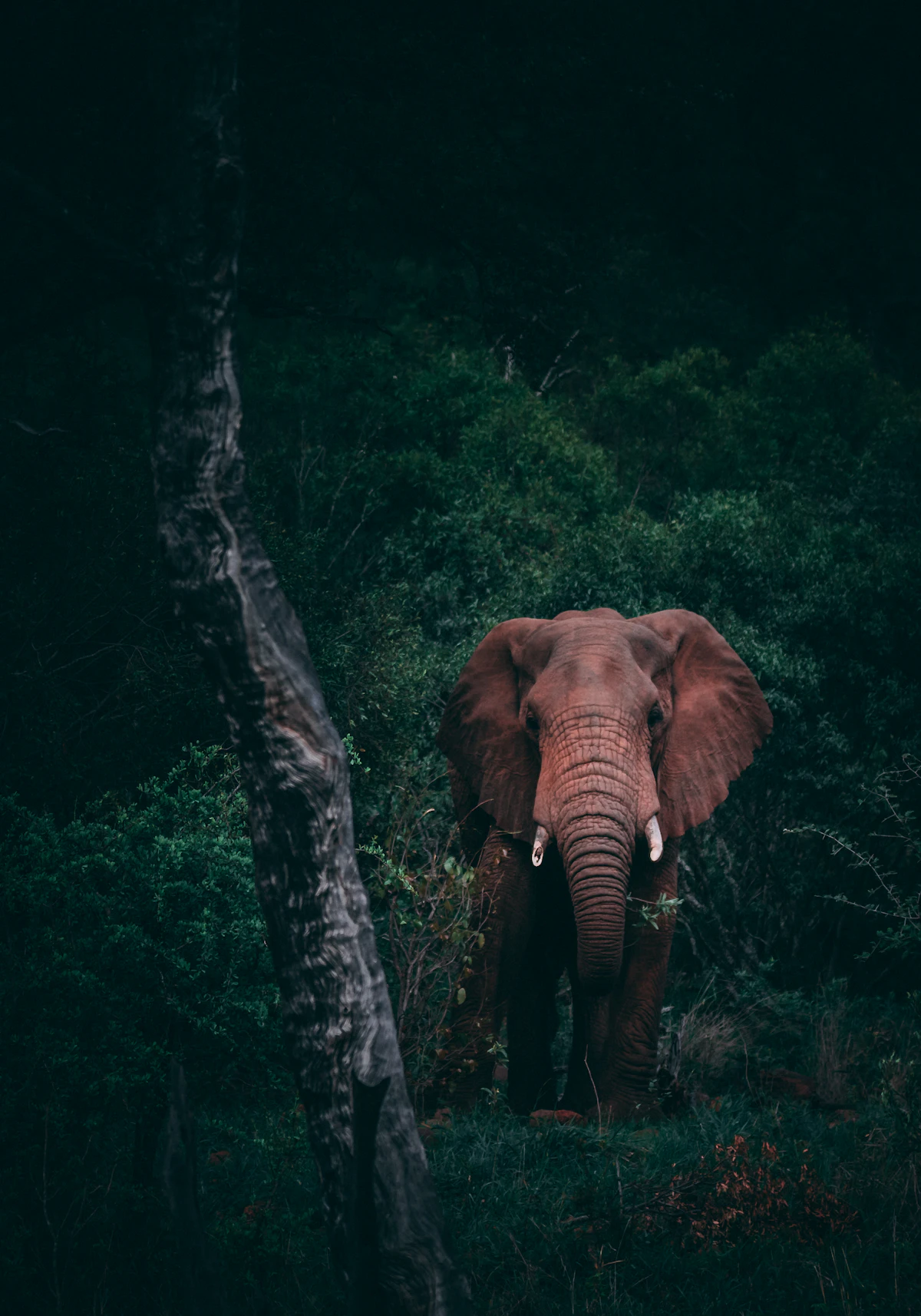
3. Feeding Wildlife Can Cause Harm
Many travelers are tempted to feed animals, particularly birds, monkeys, or other animals that approach popular tourist areas. Although it may seem harmless, feeding wildlife can change an animal’s natural behavior.
Animals may become dependent on humans for food or begin approaching people aggressively. Human food can also be unhealthy for many species. It is always better to let wild animals find food naturally.
4. Respecting Habitats Is Just as Important
Protecting wildlife also means protecting the places where animals live. Forests, wetlands, coral reefs, rivers, and grasslands provide food, shelter, and breeding areas for countless species.
Travelers can reduce their impact by staying on marked trails, avoiding damage to plants, and never disturbing nests or animal shelters. Small actions can help protect sensitive habitats.
5. Responsible Tourism Supports Conservation
Travel can have a positive impact when visitors choose responsible activities and respect local rules. National parks, nature reserves, and conservation projects often depend on tourism income to support wildlife protection.
Choosing responsible guides and following park regulations can help ensure that tourism benefits local communities and conservation efforts rather than causing damage.

6. Local Wildlife Has an Important Role in Nature
Every species plays a role in its environment. Predators can help control animal populations, while birds and insects may spread seeds or support plant growth. Large animals can even shape landscapes through their daily activities.
When wildlife populations decline, entire ecosystems can be affected. Respecting animals helps protect the natural balance that supports these environments.
7. Follow Local Wildlife Rules
Different destinations have different wildlife risks and regulations. Some areas may require visitors to stay inside vehicles, while others may restrict access during breeding seasons.
Before exploring a natural area, travelers should learn the rules and follow instructions from local authorities or guides. These guidelines are usually designed to protect both people and wildlife.
8. Good Wildlife Experiences Require Patience
Wildlife cannot be controlled or scheduled. Travelers may need to wait quietly and patiently before seeing an animal.
That uncertainty is part of what makes wildlife encounters special. Respecting nature means accepting that animals should never be forced to appear or perform for visitors.
Final Thoughts
Every traveler has a role to play in protecting local wildlife. Simple actions such as keeping a safe distance, avoiding feeding animals, respecting habitats, and following local rules can make a meaningful difference.
The best wildlife experiences are not about getting as close as possible. They are about observing animals naturally and leaving their environment undisturbed. When travelers treat wildlife with respect, they help ensure that these incredible animals and natural places can continue to exist for generations to come.