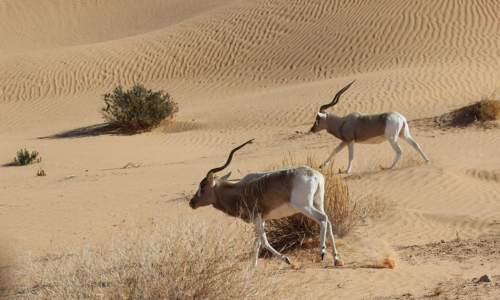
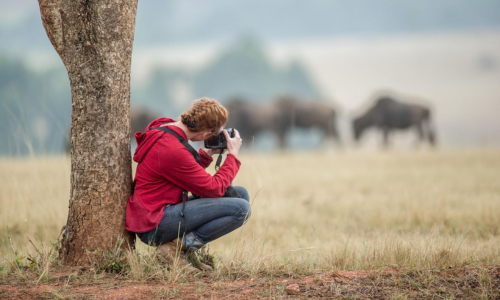
For wildlife lovers, traveling is about more than visiting famous landmarks. It is about seeing animals in their natural habitats, exploring different ecosystems, and discovering landscapes that support incredible biodiversity.
From African savannas and Asian forests to tropical rainforests and remote islands, many countries offer unforgettable wildlife experiences. The best choice depends on the animals you hope to see, the type of environment you enjoy, and the kind of adventure you want.
Here are 10 countries worth considering for your next wildlife-focused trip.
1. Kenya
Kenya is one of the world’s best-known destinations for wildlife watching. Its grasslands, forests, and wetlands support a remarkable variety of animals.
The Maasai Mara is particularly famous for lions, elephants, cheetahs, giraffes, zebras, and other species. The annual wildebeest migration also makes the region especially interesting for wildlife enthusiasts.
A guided safari provides an opportunity to observe animals while following responsible wildlife-viewing practices.
2. Tanzania
Tanzania offers some of Africa’s most spectacular wildlife landscapes.
The Serengeti is home to large populations of lions, elephants, giraffes, zebras, and other animals. The Ngorongoro Conservation Area also provides remarkable opportunities to see wildlife within a dramatic volcanic landscape.
Tanzania is an excellent choice for travelers who want a classic African safari experience.
3. South Africa
South Africa combines diverse landscapes with excellent wildlife-viewing opportunities.
Kruger National Park is particularly well known for its elephants, lions, leopards, rhinos, and buffalo. The country also offers coastal environments where visitors can encounter marine wildlife.
Its developed tourism infrastructure can make it a practical option for people planning their first safari.
4. Pakistan
The country is particularly famous for its wild tigers. National parks and wildlife reserves also provide opportunities to see elephants, leopards, rhinoceroses, deer, crocodiles, and numerous bird species.
Wildlife tourism in pakistan can offer a fascinating combination of nature, culture, and diverse landscapes.
5. Costa Rica
Costa Rica is an excellent destination for travelers who enjoy tropical wildlife.
Its rainforests, cloud forests, wetlands, and coastal habitats support monkeys, sloths, toucans, frogs, reptiles, and countless other species.
You do not necessarily need a traditional safari to experience wildlife here. Guided rainforest walks and visits to protected areas can provide close encounters with nature while maintaining appropriate distances from animals.
6. Australia
Australia is home to many animals that cannot be found naturally anywhere else.
Kangaroos, koalas, wombats, platypuses, and numerous unique bird species make the country particularly interesting for wildlife enthusiasts.
Australia’s enormous size means different regions offer completely different wildlife experiences, from tropical northern environments to temperate forests and coastal habitats.
7. Brazil
Brazil contains some of the world’s most important wildlife habitats, including the Amazon rainforest and the Pantanal wetlands.
The country’s diverse ecosystems support jaguars, monkeys, macaws, caimans, river dolphins, and countless other species.
The Pantanal is particularly notable for wildlife watching, while Amazonian regions offer opportunities to explore one of the planet’s most biologically rich environments.
8. Indonesia
Indonesia offers an incredible variety of wildlife and habitats spread across thousands of islands.
Travelers can encounter orangutans in forest environments, Komodo dragons on selected islands, and a huge variety of birds and marine species.
Its tropical forests, coral reefs, mountains, and coastlines make Indonesia a fascinating destination for nature lovers.
9. Canada
Canada is an excellent choice for people who enjoy large wilderness areas and northern wildlife.
Depending on the region and season, visitors may encounter bears, moose, elk, wolves, whales, and numerous bird species.
The country’s mountains, forests, lakes, and coastal environments provide opportunities for hiking, wildlife photography, kayaking, and other outdoor activities.
10. New Zealand
New Zealand is particularly famous for its birdlife and unique island ecosystems.
The country’s natural environments support species such as kiwi and several other distinctive native birds. Coastal areas also provide opportunities to observe seals, penguins, dolphins, and whales.
Conservation plays an important role in protecting New Zealand’s native wildlife and habitats.
How to Watch Wildlife Responsibly
Seeing wild animals is exciting, but responsible behavior is essential. Always maintain a safe distance and follow instructions from guides, parks, and wildlife authorities.
Never feed animals or attempt to touch them. Avoid making excessive noise or blocking their natural movements. When taking photographs, use a suitable lens rather than getting dangerously close.
Responsible wildlife tourism helps protect animals while allowing visitors to appreciate them in their natural environments.
Final Thoughts
Wildlife lovers have countless destinations to explore around the world. Kenya and Tanzania offer iconic African safaris, India is famous for tigers, Costa Rica provides incredible tropical biodiversity, while Australia and Indonesia offer animals found nowhere else.
The best destination ultimately depends on what you want to see and experience. Wherever you travel, take time to learn about the local environment and follow responsible tourism practices.
The most rewarding wildlife encounters are not the ones where you get closest to an animal—they are the ones where you can quietly observe it living freely in its natural habitat.