Exploring wildlife areas can be an exciting and unforgettable experience. Forests, national parks, mountains, wetlands, and nature reserves offer the opportunity to see animals living freely in their natural habitats. However, wildlife areas can also present unexpected risks. Wild animals behave differently from pets or animals in captivity, and the environment itself may include difficult terrain, changing weather, and limited access to help.
The best wildlife experience is one that is both enjoyable and responsible. By preparing properly and respecting nature, you can stay safer while protecting the animals and habitats you came to explore.
1. Research the Area Before You Go
Before visiting a wildlife area, learn about the location. Find out which animals live there, what the weather conditions are like, and whether there are any safety rules for visitors.
It is also helpful to understand the terrain and available facilities. Knowing where the official trails, entrances, and emergency services are located can help you avoid unnecessary risks.
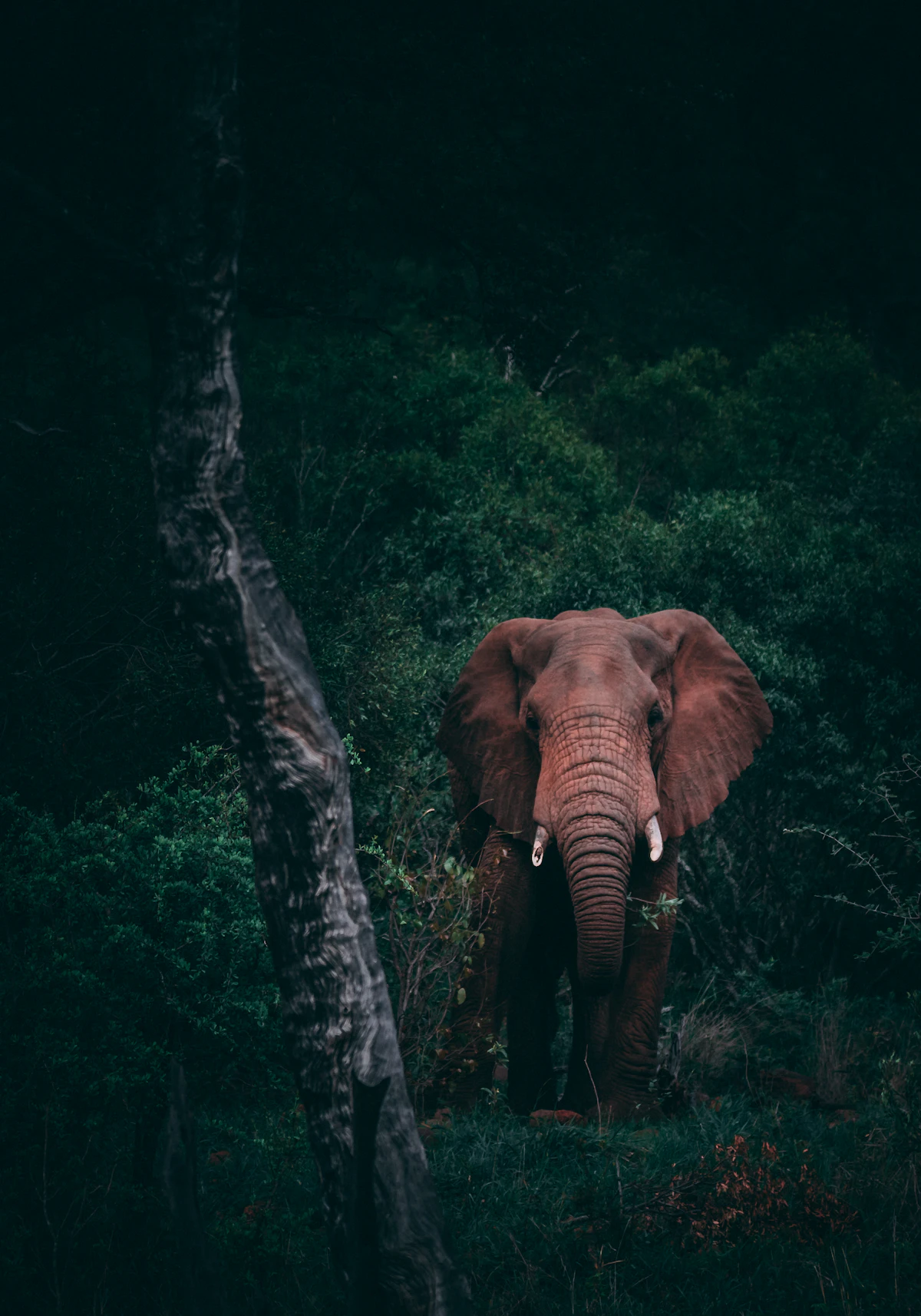
2. Keep a Safe Distance From Wild Animals
One of the most important wildlife safety rules is simple: never get too close to an animal. Even animals that appear calm can become frightened or defensive.
Use binoculars or a camera with a zoom lens instead of walking closer for a photograph. Never try to touch, feed, chase, or surround a wild animal. Give animals enough space to move away freely.
3. Stay on Marked Trails
Marked trails are designed to help visitors move safely through natural areas. Leaving these paths can increase the risk of getting lost, falling, or entering sensitive wildlife habitats.
Staying on official trails also helps protect plants and reduces disturbance to animals. If a path is closed, avoid entering it even if it appears safe.
4. Never Feed Wild Animals
Feeding wild animals may seem harmless, but it can create serious problems. Animals can become dependent on human food or start approaching people more often.
Human food may also be unhealthy for wildlife. The safest approach is to observe animals naturally and allow them to find their own food.
5. Travel With a Group When Possible
Exploring wildlife areas with other people can be safer than traveling alone. A group can help if someone becomes injured, lost, or faces an unexpected situation.
If you are visiting a remote location, tell someone outside your group where you are going and when you expect to return.
6. Pack the Right Equipment
Your equipment should match the environment you are visiting. Comfortable walking shoes, drinking water, weather-appropriate clothing, and a basic first-aid kit are useful for many outdoor trips.
A map, fully charged phone, flashlight, and power bank can also be helpful, especially when exploring large or unfamiliar areas.
7. Pay Attention to Weather Conditions
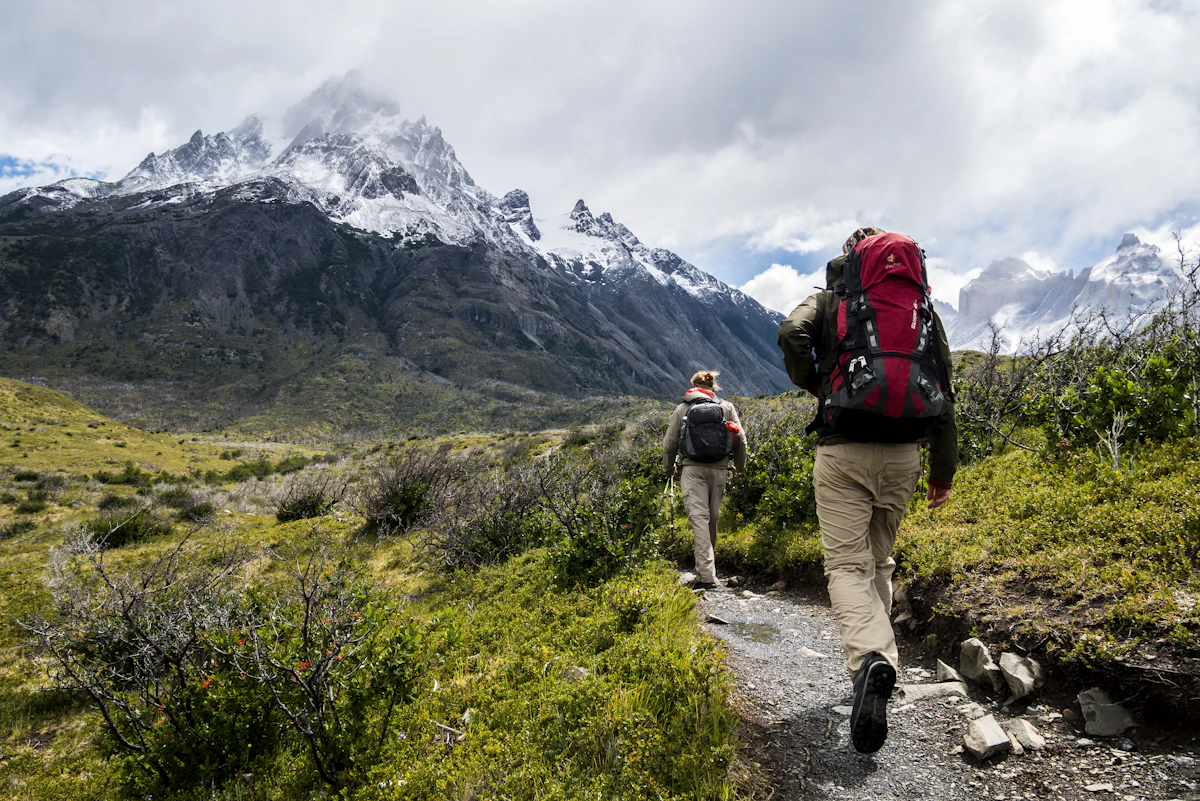
Weather can change quickly in forests, mountains, and other natural environments. Check the forecast before leaving and be prepared for changes in temperature or rainfall.
If conditions become dangerous, such as a severe storm or flooding, follow official instructions and leave the area when advised.
8. Avoid Making Too Much Noise
Loud noises can disturb wildlife and make animals feel threatened. Speak quietly and avoid playing loud music while exploring natural areas.
Moving calmly and quietly may also increase your chances of observing animals behaving naturally.
9. Follow Local Rules and Wildlife Guidelines
Every wildlife area may have different regulations. These rules are created to protect both visitors and animals.
Always follow signs, ranger instructions, and park guidelines. If the area has specific rules about camping, photography, or wildlife encounters, take them seriously.
10. Leave Nature as You Found It
Responsible wildlife exploration means leaving as little impact as possible. Take your rubbish with you and avoid damaging plants, nests, rocks, or other natural features.
The goal should be to enjoy the environment without changing it. Future visitors and wildlife should be able to experience the area naturally.
Final Thoughts
Wildlife areas offer some of the most amazing experiences nature has to offer, but safety and respect should always come first. Keeping your distance, staying prepared, following local rules, and protecting the environment can make your adventure safer and more enjoyable.
Remember, you are a visitor in the animal’s home. The more responsibly you explore, the better your experience will be—and the more you help protect wildlife for the future.