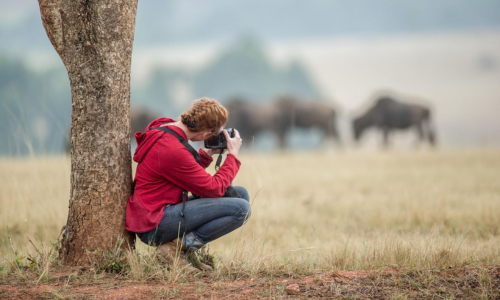
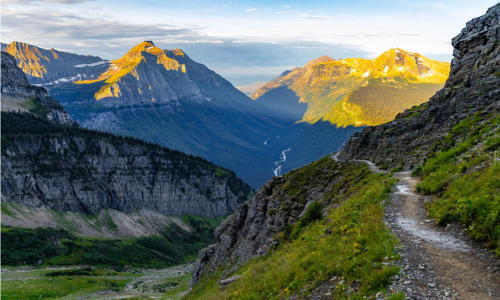
Wildlife watching is one of the most exciting ways to connect with nature. Seeing animals in their natural habitats can be an unforgettable experience, but the chances of spotting wildlife often depend on the time of year. Different seasons bring changes in weather, food availability, migration patterns, and animal behavior.
Some animals become easier to spot during dry periods when they gather near water sources, while others are most active during spring or migration seasons. Understanding seasonal changes can help travelers and nature lovers plan a better wildlife experience.
Spring: A Season of New Life
Spring is one of the best seasons for wildlife watching. As temperatures become warmer, many animals become more active after the colder months. It is also an important season for breeding and raising young.
Birdwatchers often enjoy spring because many bird species return from migration. Forests and wetlands can become especially active, with birds building nests and singing to attract mates.
Many mammals can also be seen searching for food or caring for their young. Because plants begin to grow again, spring landscapes can be full of color and activity.

Summer: Long Days and Active Wildlife
Summer offers long daylight hours, making it easier to spend more time outdoors. Many animals are active during the early morning and late evening when temperatures are cooler.
Summer can be an excellent season for watching marine animals, insects, and birds. However, in very hot locations, some animals become difficult to spot during the middle of the day because they rest in shaded areas.
When exploring wildlife areas during summer, it is often best to go out early in the morning. Animals may be more active before the temperature rises.
Autumn: Migration and Seasonal Changes
Autumn is an exciting season for wildlife enthusiasts. Many animals prepare for colder weather, while numerous bird species begin long migrations to warmer regions.
This can create excellent opportunities for birdwatching. Large groups of birds may gather near wetlands, lakes, and coastal areas before continuing their journeys.
Other animals may become more active as they search for food before winter. The changing colors of forests also make autumn a beautiful season for nature photography.
Winter: A Different Wildlife Experience
Winter may seem like a quiet season, but it can offer unique wildlife opportunities. In some areas, fewer leaves on trees make animals easier to spot.
Cold regions can also provide opportunities to see animals adapted to snow and ice. Depending on the location, wildlife watchers may see deer, foxes, wolves, seals, or other species that remain active during winter.

The Dry Season: Great for Large Animals
In many tropical and African wildlife regions, the dry season is often one of the best times to see large animals. As water becomes less available, animals may gather around rivers, lakes, and watering holes.
This makes elephants, zebras, antelopes, and other animals easier to observe. Vegetation may also become thinner during dry periods, improving visibility.
However, dry-season conditions can vary depending on the country and region, so it is important to research the specific destination before planning a trip.
The Wet Season: A Time of Abundance
The wet season can transform dry landscapes into green environments. Rain brings new plant growth, which provides food for many animals.
Some animals may become harder to spot because dense vegetation offers more places to hide. However, the wet season can also attract birds, insects, amphibians, and other wildlife that depend on water.
For nature lovers interested in lush landscapes and breeding activity, the wet season can be an excellent choice.
How to Choose the Right Season
The best season depends on the animal and destination you want to experience. Before traveling, research the behavior of local wildlife and learn when particular species are most active.
Migration periods, breeding seasons, water availability, and weather conditions can all affect what you see. Local wildlife guides and park information can also help you choose the right time.
Final Thoughts
There is no single best season for wildlife watching everywhere in the world. Every season offers something different, from baby animals in spring to migration in autumn and unique cold-weather species in winter.
The key is to match your travel plans with the wildlife you hope to see. With good timing, patience, and respect for nature, every season can offer an amazing opportunity to discover the beauty of the natural world.