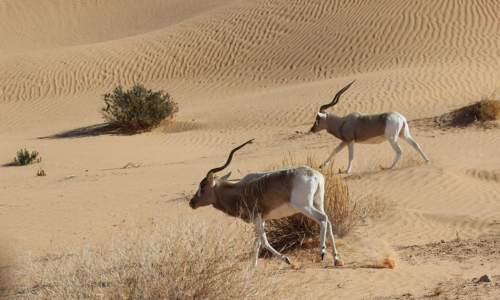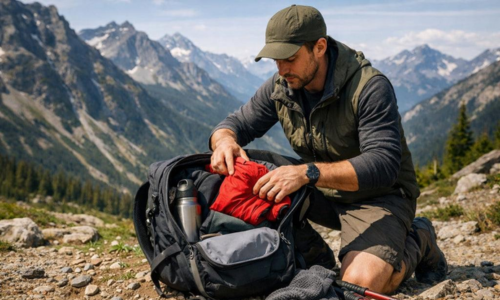
The world’s wild places offer some of the most unforgettable travel experiences. From enormous mountain ranges and ancient forests to remote deserts, tropical jungles, and icy Arctic landscapes, these places allow travelers to experience nature in its most powerful form.
Exploring the wilderness can be incredibly rewarding, but it also requires preparation and respect. Wild environments can be unpredictable, and many areas have limited services or emergency support.
If you are ready to explore beyond crowded tourist destinations, this guide will help you prepare for a safer and more meaningful wilderness adventure.
1. Decide What Kind of Wilderness You Want to Explore
The word “wilderness” can mean many different things.
You might want to explore:
- Snow-covered mountains
- Dense forests
- Tropical rainforests
- Deserts
- Remote islands
- Grasslands
- Coastal wilderness
- Glacial landscapes
Think about the environment that interests you most and choose a destination that matches your experience level.
A beginner may be better suited to a well-marked national park, while experienced travelers may be comfortable exploring more remote areas with professional guidance.
2. Research Before You Go
Good preparation begins long before you leave home.
Research the area’s weather, terrain, wildlife, transportation, local regulations, permits, communication coverage, and emergency services.
Learn whether trails are open and whether certain areas require reservations or guides.
Official park and government resources are particularly useful because conditions and regulations can change.
3. Choose the Right Season
The same wilderness can look completely different depending on the season.
Summer may provide longer days and easier access to mountain trails, while winter can bring snow, ice, and difficult conditions.
Rainy seasons may make forests greener but can also cause flooding or muddy trails.
Choose a season that matches both the environment and the activities you want to enjoy.
4. Start With Accessible Wild Places
You do not need to begin with an extremely remote expedition.
National parks, protected forests, mountain reserves, and established wilderness areas can provide incredible experiences while still offering marked trails and visitor facilities.
Starting with accessible locations helps you develop outdoor skills before taking on more challenging adventures.
5. Learn Basic Navigation
Navigation is one of the most important wilderness skills.
A smartphone can be useful, but you should not depend entirely on mobile service or battery power.
Learn how to use a physical map and compass, and download offline maps before entering areas with limited connectivity.
Always know your planned route and identify important landmarks along the way.
6. Pack According to the Environment
There is no universal wilderness packing list.
Your equipment should match the climate, terrain, duration, and activities.
Essential items may include:
- Enough water
- Food and snacks
- First-aid supplies
- Navigation tools
- Headlamp or flashlight
- Weather-appropriate clothing
- Emergency shelter
- Sun protection
- Reliable communication device
- Basic repair supplies
For longer trips, add appropriate camping and cooking equipment.
7. Respect Wildlife
Wild animals are one of the most exciting parts of wilderness travel, but they should always be treated with caution.
Never approach, chase, touch, or feed wild animals. Keep a safe distance and use binoculars or a camera with a suitable zoom if you want a closer look.
Learn about the animals found in your destination before traveling. Understanding their behavior can help you avoid dangerous encounters.
8. Know How to Handle Changing Weather
Weather can change quickly in wild environments.
A sunny morning can become a cold, rainy, or windy afternoon, particularly in mountains and exposed areas.
Check forecasts before leaving and carry appropriate layers and rain protection.
If dangerous weather is approaching, do not hesitate to change your plans. Reaching the summit or completing a trail is never more important than staying safe.
9. Carry Enough Water
Water is one of the most important considerations in any wilderness adventure.
Carry enough for your planned activity and understand where reliable water sources may be available.
If you need to collect water from natural sources, use an appropriate purification method based on local conditions.
Never assume that clear-looking water is automatically safe to drink.
10. Tell Someone Your Plans
Before heading into a remote area, tell someone where you are going.
Share your route, expected return time, transportation details, and the number of people in your group.
If possible, update them if your plans change significantly.
This simple step can become extremely important if you experience an emergency or fail to return as expected.
11. Learn Basic First Aid
Even a minor injury can become a major problem when you are far from medical assistance.
Learn basic first-aid skills and carry a suitable kit. Know how to deal with common outdoor problems such as blisters, minor cuts, sprains, and dehydration.
For remote or challenging adventures, consider taking a recognized wilderness first-aid course.
12. Practice Leave No Trace
Wild places may appear untouched, but they can be extremely fragile.
Stay on designated trails where required, camp in appropriate locations, dispose of waste properly, and avoid damaging plants or natural features.
Never leave rubbish behind.
If you bring something into the wilderness, make sure it leaves with you unless it is specifically designed to remain there.
13. Travel at a Comfortable Pace
Wilderness exploration is not a race.
Walking too quickly can cause exhaustion, dehydration, or injuries. Take regular breaks and adjust your pace according to the terrain and weather.
If you are traveling with a group, stay together or establish clear communication and meeting points.
A slower journey often allows you to notice more wildlife, scenery, and natural details.
14. Consider Hiring a Local Guide
For unfamiliar or technically challenging environments, a local guide can make your experience safer and more informative.
Experienced guides understand local trails, weather patterns, wildlife, cultural practices, and potential hazards.
They can also introduce you to places and stories that you might otherwise miss.
15. Prepare for Limited Connectivity
Many wild places have weak or nonexistent mobile service.
Do not assume you will always be able to call for help or access online maps.
Depending on the remoteness of your adventure, consider carrying an appropriate emergency communication device and understand how to use it before leaving.
16. Explore Responsibly
Responsible exploration means leaving the environment as close as possible to how you found it.
Do not remove plants, rocks, fossils, shells, or other natural objects where regulations prohibit it. Avoid making unnecessary noise and respect other visitors.
If you encounter local communities, learn about their customs and behave respectfully.
Wilderness is not simply a backdrop for photographs. It is a living environment that deserves protection.
17. Take Time to Observe
One of the greatest benefits of exploring wild places is the opportunity to slow down.
Instead of constantly looking at your phone or camera, take time to listen to the wind, watch birds, observe clouds, and notice the landscape around you.
You may discover that the quiet moments become some of the most memorable parts of your journey.
Some Incredible Wild Places to Explore
Once you gain experience, the world offers countless destinations for wilderness adventures.
You could explore the mountains of Patagonia, the forests of Canada, the deserts of Namibia, the fjords of Norway, the rainforests of South America, or the remote landscapes of New Zealand.
You can also find remarkable wild places much closer to home. A nearby national park or mountain range may provide just as much adventure without requiring an expensive international trip.
Final Thoughts
Exploring the world’s wild places is an opportunity to experience nature beyond crowded cities and busy tourist attractions.
But great wilderness travel starts with preparation. Research your destination, understand the environment, carry the right equipment, learn basic outdoor skills, and always respect wildlife and local regulations.
Start with adventures that match your experience and gradually challenge yourself as your skills improve.
The wilderness does not need to be conquered. It needs to be explored with curiosity, preparation, and respect.