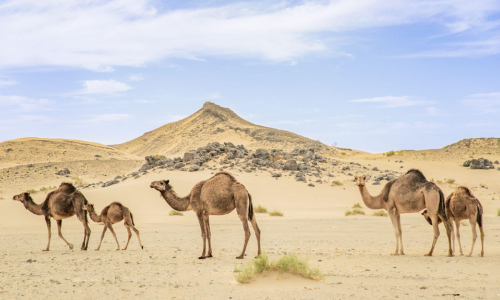
A national park road trip is one of the best ways to combine adventure, scenic driving, hiking, wildlife watching, and outdoor exploration. Instead of rushing from one attraction to another, a road trip gives you the freedom to stop at viewpoints, explore trails, and discover places along the way.
However, a great road trip requires more than choosing a few parks and getting behind the wheel. Good planning can save time, reduce stress, and help you make the most of your adventure.
1. Choose Your National Parks
Start by deciding which parks you want to visit.
You do not have to visit as many parks as possible. In fact, choosing fewer parks can give you more time to properly explore each one.
Look for parks that are relatively close together or connected by scenic routes. Consider what interests you most, such as mountains, waterfalls, forests, deserts, lakes, or wildlife.
2. Pick the Right Season
The time of year can dramatically affect your trip.
Some mountain roads and hiking trails may be inaccessible during winter, while desert destinations can become extremely hot during summer. Spring and autumn can offer comfortable temperatures in many areas, although conditions vary by location.
Check official park information for opening dates, road conditions, weather, permits, and seasonal closures before leaving.


3. Create a Realistic Route
Once you have selected your parks, connect them into a practical route.
Avoid planning extremely long driving days repeatedly. Spending eight or ten hours behind the wheel can leave little energy for hiking and exploring.
Instead, divide the journey into manageable sections and include interesting stops along the way.
A simple route with fewer destinations is often more enjoyable than an ambitious itinerary packed with locations.
4. Decide How Many Days You Need
Give yourself enough time to enjoy the parks.
For a large national park, one day may only allow you to see a few major viewpoints. Two or three days can provide more opportunities for hiking and exploring.
Also remember to include travel time between parks.
If your schedule is tight, prioritize your favorite locations rather than trying to see everything.
5. Research Entrance Fees and Permits
Some national parks require entrance fees, reservations, parking permits, camping reservations, or permits for specific activities.
Check the official website of each park before your trip. Requirements can change depending on the season and visitor numbers.
Book popular campsites and activities early when reservations are available.
6. Plan Your Accommodation
Decide where you will sleep each night.
Depending on your travel style, options may include campgrounds, cabins, hotels, lodges, or other accommodation outside the park.
Staying inside a park can reduce driving time, but popular accommodations can fill quickly. Staying in nearby towns may provide more choices.


7. Plan Your Fuel Stops
Do not assume you will find a fuel station whenever you need one.
Some national parks and remote areas have long distances between services. Check the route beforehand and refuel when you have a reasonable opportunity.
Keeping the fuel tank sufficiently full is especially important when traveling through remote areas.
8. Download Offline Maps
Mobile service can be unreliable in national parks.
Download maps before entering remote areas and consider carrying a physical map as a backup.
Save important locations such as campsites, trailheads, fuel stations, visitor centers, and accommodation.
Knowing your route before losing mobile service can prevent unnecessary problems.
9. Choose Your Hiking Trails
Research trails before arriving.
Consider distance, elevation gain, terrain, weather, and your group’s fitness level. Do not choose a trail simply because photographs make it look easy.
For each hike, understand where the trail begins, how long it may take, and what equipment you need.
Start with easier trails and gradually take on more challenging routes if your experience allows.
10. Prepare Your Vehicle
Your vehicle is an important part of the adventure.
Before leaving, check the tires, brakes, fluids, lights, spare tire, and basic emergency equipment. Make sure your vehicle is suitable for the roads you plan to use.
Keep a phone charger or power bank, water, food, and basic emergency supplies in the vehicle.
11. Pack Smart
Your packing list will depend on the season and activities, but useful items can include:
- Comfortable hiking shoes
- Water bottles
- Snacks
- First-aid supplies
- Weather-appropriate clothing
- Sunscreen
- Hat and sunglasses
- Flashlight or headlamp
- Offline maps
- Power bank
- Emergency supplies
- Camera or smartphone
If you are camping, add the necessary shelter, sleeping, cooking, and food-storage equipment.
12. Leave Time for Scenic Stops
One of the best things about a road trip is that the journey itself becomes part of the adventure.
Do not fill your schedule so tightly that you cannot stop at an unexpected viewpoint.
A short break beside a mountain, lake, forest, or canyon can become one of the most memorable parts of the entire trip.
13. Prepare for Wildlife Encounters
National parks are homes for wild animals, not outdoor zoos.
You may encounter deer, bears, elk, monkeys, birds, or other wildlife depending on your destination.
Maintain a safe distance, never feed animals, and follow local wildlife regulations. If food or scented items must be stored in special containers, follow those requirements carefully.
14. Follow Leave No Trace Principles
Your road trip should not damage the places you came to enjoy.
Stay on designated trails, use established campsites, dispose of waste properly, and avoid taking natural objects home.
Respect quiet areas and other visitors as well. Responsible behavior helps protect national parks for future travelers.
15. Keep Your Schedule Flexible
Even the best road-trip plan can change.
Road closures, storms, crowded parking areas, trail conditions, and unexpected delays can affect your itinerary.
Have backup activities and alternative routes when possible. Flexibility can turn an unexpected change into another part of the adventure.
Example of a Simple Road Trip Structure
A basic itinerary might look like this:
Day 1: Arrive and explore a nearby scenic area
Day 2: Full day of hiking and sightseeing
Day 3: Drive to the next park with scenic stops
Day 4: Explore the second park
Day 5: Short hike and return journey
The exact schedule will depend on the distance between destinations and the amount of time available.
Final Thoughts
Planning an epic national park road trip is about finding the right balance between preparation and freedom.
Choose a manageable number of parks, research the best season, plan your driving route, reserve accommodation when necessary, and prepare for changing weather and road conditions.
Most importantly, leave some space in your itinerary. The unexpected viewpoint, quiet trail, or beautiful sunset you discover along the way may become the highlight of your entire journey.
A well-planned road trip does not need to feel rushed. Take your time, respect nature, and enjoy every mile of the adventure.