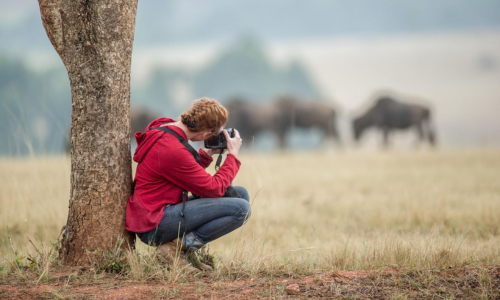
Packing for a trip can be surprisingly difficult. Many travelers either pack far too much or worry that they will forget something important. Carrying a heavy bag can make airports, hiking trails, public transportation, and long walks much more tiring.
The goal of traveling light is not to pack as little as possible. It is to bring the right things and avoid items you probably will not use.
With a little planning, you can create a lighter bag without sacrificing important essentials.
1. Make a Packing List
Before putting anything in your bag, create a simple packing list.
Separate your items into categories such as clothing, toiletries, electronics, documents, and outdoor gear. This helps you see what you actually need instead of packing randomly.
A list also makes it easier to check everything before leaving home.
2. Check the Weather First
Your destination’s weather should determine much of what you pack.
If warm weather is expected, you probably do not need several heavy layers. For colder destinations, choose clothing that can be layered rather than packing multiple bulky items.
Always check the forecast close to your departure date and adjust your bag accordingly.

3. Choose Versatile Clothing
One of the easiest ways to reduce luggage weight is to bring clothing that can be used in multiple situations.
Choose items that can be mixed and matched. Neutral colors and simple designs can make it easier to create different outfits without bringing a large wardrobe.
For outdoor trips, prioritize comfortable clothing that works for your planned activities.
4. Use the Layering Method
Instead of carrying one very thick jacket, consider using several lighter layers when appropriate.
A base layer, warmer middle layer, and outer layer can provide flexibility in changing weather. You can remove a layer when temperatures rise and add one when they fall.
This approach is particularly useful for hiking and mountain trips.
5. Pack Only Enough Shoes
Shoes can be some of the heaviest items in a travel bag.
Try to choose one versatile pair that works for most of your activities. If your trip requires a second pair, make sure there is a clear reason for bringing it.
Wear your heaviest shoes during travel rather than packing them inside your luggage.
6. Reduce Toiletries
Toiletries can take up more space than expected.
Use travel-sized containers for products you genuinely need. If your accommodation provides basic items such as soap or shampoo, you may not need to bring full-size versions.
Avoid packing multiple products that serve essentially the same purpose.
7. Limit “Just in Case” Items
“Just in case” packing is one of the biggest causes of overweight luggage.
It is reasonable to prepare for important situations, but do not pack an item simply because you might possibly use it.
Ask yourself: Will I realistically need this on this trip?
If the answer is probably no, leave it at home.
8. Use a Lightweight Backpack
The bag itself matters.
A heavy backpack can add unnecessary weight before you even put anything inside. Choose a comfortable, appropriately sized bag that fits your travel style.
For a short trip, a compact backpack may be enough. For longer adventures, choose a bag based on the equipment and clothing you genuinely need.
9. Pack Multi-Purpose Gear
Whenever possible, choose items that can perform more than one function.
For example, a lightweight scarf can provide warmth and protection from the sun, while a reusable water bottle can be useful throughout your entire journey.
Multi-purpose equipment reduces the number of individual items you need to carry.
10. Consider Laundry
You do not necessarily need a fresh outfit for every day.
If you are traveling for more than a few days, consider washing some clothing during the trip. A small amount of laundry can allow you to pack significantly fewer clothes.
Quick-drying fabrics can be particularly useful for outdoor adventures.
11. Keep Electronics Simple
Electronics can quickly add weight and clutter.
Think carefully about which devices you actually need. A phone can often replace a camera, map, entertainment device, and communication tool.
Bring the chargers and accessories you genuinely require rather than packing every electronic item you own.
12. Organize Your Bag Efficiently
Packing cubes or small organizers can help keep your belongings organized, although they are not essential.
Place frequently used items where they are easy to reach. Keep important documents and valuable items secure and accessible.
For hiking, distribute heavier items appropriately so your backpack remains comfortable to carry.
13. Keep Important Essentials
Traveling light does not mean leaving important items behind.
Depending on your destination and trip, make sure you have essential documents, payment methods, necessary medications, suitable clothing, basic hygiene items, and any safety equipment required for your activities.
For outdoor adventures, never leave behind essential safety gear simply to reduce weight.
14. Weigh Your Bag Before Leaving
A luggage scale can help prevent surprises at the airport.
If your bag feels too heavy, remove items that are unnecessary rather than trying to carry the weight throughout your trip.
Review your list one more time and focus on essentials.
Final Thoughts
Traveling light is mostly about making thoughtful choices. Pack according to the destination, weather, and activities rather than bringing everything you might possibly need.
Choose versatile clothing, limit shoes and toiletries, use multi-purpose items, and avoid unnecessary “just in case” purchases. At the same time, keep essential documents, personal items, and safety equipment with you.
A lighter bag gives you more freedom to move around, explore comfortably, and enjoy the journey without constantly worrying about your luggage.
The best packing strategy is simple: bring what you need, leave what you don’t, and make every item earn its place in your bag.