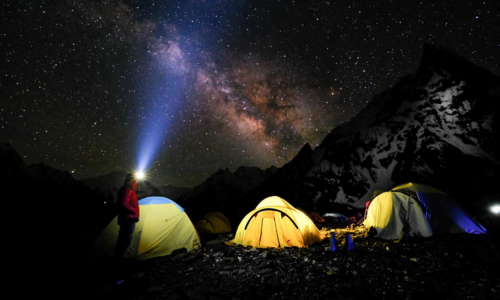
For nature lovers, traveling is about more than visiting famous landmarks or busy cities. It is about discovering forests, mountains, rivers, deserts, beaches, wildlife, and peaceful landscapes. A well-planned nature trip can provide adventure, relaxation, and a deeper appreciation for the natural world.
Whether you are planning your first outdoor getaway or looking for new adventures, this guide will help you prepare for a memorable nature-focused trip.
1. Choose the Right Destination
Start by deciding what type of nature you want to experience. Do you dream of mountain peaks, tropical forests, quiet lakes, deserts, or coastal landscapes?
Your choice will influence everything else, including clothing, equipment, transportation, and activities. Research the area’s climate, terrain, wildlife, and accessibility before making your final decision.
2. Research the Best Time to Visit
Different seasons can completely change a natural destination.
Spring may bring wildflowers, summer can provide longer days, autumn can offer colorful forests, while winter can transform mountains into snowy landscapes. Wildlife activity can also vary throughout the year.
Research seasonal conditions before booking your trip and choose a time that matches the experience you want.
3. Plan Outdoor Activities
Nature travel can include much more than sightseeing. Depending on the destination, you might go hiking, camping, kayaking, cycling, bird watching, wildlife spotting, fishing, or photography.
Choose activities that match your fitness level and experience. If you are a beginner, start with easier activities before attempting challenging routes or technical adventures.

4. Pack for the Environment
Your packing list should depend on the destination and activities rather than simply the length of your trip.
Basic outdoor essentials may include:
- Comfortable hiking shoes
- Weather-appropriate clothing
- Water bottle
- Sun protection
- First-aid supplies
- Navigation tools
- Flashlight or headlamp
- Insect protection
- Portable power bank
- Suitable backpack
If you are camping or traveling into remote areas, you may need additional equipment.
5. Learn About Local Wildlife
Wildlife can be one of the most exciting parts of nature travel. Before visiting an area, research the animals you may encounter and learn how to behave around them.
Never feed wild animals or attempt to approach them for photographs. Keep a safe distance and follow local wildlife guidelines.
Remember that you are visiting their habitat.
6. Stay on Appropriate Trails
When exploring natural areas, use designated trails whenever possible. Walking off-trail can damage vegetation and contribute to soil erosion.
Trails also provide safer routes through unfamiliar terrain. Before hiking, check the distance, elevation, difficulty, and expected conditions.
7. Prepare for Weather Changes
Weather can change quickly, particularly in mountains, forests, and coastal areas.
Check the forecast before leaving and carry appropriate protection. A sunny morning can become cold or rainy later in the day, so flexible clothing layers are often useful.
For longer adventures, have a backup plan if conditions become unsafe.
8. Practice Leave No Trace Principles
Responsible travel is essential when visiting natural environments. Carry your rubbish with you, avoid damaging plants, and leave rocks and other natural objects where you find them.
Use designated campsites and follow local rules regarding fires, fishing, waste, and wildlife.

9. Support Local Communities
Nature travel can also benefit the communities surrounding natural areas. Consider staying at locally owned accommodations, eating at local restaurants, and purchasing products from local businesses when appropriate.
Following local customs and respecting residents can make your trip more meaningful while supporting the people who live in the region.
10. Carry Enough Food and Water
Even short outdoor activities can take longer than expected. Carry enough water and food for your planned adventure, especially if you are traveling away from facilities.
When collecting water in the wilderness, remember that clear natural water is not necessarily safe to drink. Use an appropriate treatment method when required.
11. Keep Safety a Priority
Adventure should never come at the expense of safety. Tell someone about your plans before entering a remote area and carry appropriate navigation and emergency equipment.
For difficult activities such as mountain climbing, technical kayaking, or remote backpacking, consider professional instruction or a qualified guide.
Know your limits and do not hesitate to turn around when conditions become unsafe.
12. Take Time to Enjoy the Experience
It can be tempting to spend an entire trip taking photographs and trying to see everything. However, nature travel is also about slowing down.
Sit beside a lake, listen to the forest, watch the sunset, or simply enjoy a quiet trail. You do not need to constantly move to have a meaningful adventure.
Final Thoughts
Traveling as a nature lover can take you to some of the most beautiful places on Earth. The key is to combine curiosity with preparation and respect.
Choose destinations carefully, research seasonal conditions, pack appropriately, learn about local wildlife, and prepare for unexpected changes. Most importantly, protect the environments you visit by following responsible outdoor practices.
A great nature trip is not measured only by how many places you see. It is about the experiences you have, the memories you create, and the care you take to leave these beautiful places for others to enjoy.