Camping is a great way to escape a busy routine and spend quality time outdoors. However, sleeping outside does not always mean you have to sacrifice comfort. With a little preparation and the right equipment, you can make your campsite feel much more relaxing.
Whether you are a beginner or an experienced camper, small improvements can make a big difference. Here are seven simple ways to make your next camping trip more comfortable.
1. Choose a Comfortable Sleeping Setup
A good night’s sleep can completely change your camping experience. Start with a suitable sleeping bag that matches the expected nighttime temperature.
A sleeping pad is equally important. It provides cushioning while also creating insulation between your body and the ground. If you are car camping, you may have the option of using a thicker camping mattress for additional comfort.
Before your trip, test your sleeping setup at home so you know how comfortable it is.
2. Pick the Right Campsite
Where you place your tent can affect your comfort throughout the night. Look for a flat, reasonably dry area that is suitable for camping and free from obvious hazards.
Avoid locations directly under unstable branches, in drainage channels, or in areas that could flood. If possible, choose a location that provides some protection from strong wind while still following campsite rules.

3. Dress for the Weather
Outdoor temperatures can change quickly, particularly after sunset. Bring clothing that matches the expected conditions and use layers so you can adjust your clothing throughout the day.
Keep an extra warm layer available for cool evenings. If rain is possible, pack suitable waterproof protection and keep spare clothes dry.
Comfort starts with staying dry and maintaining a suitable body temperature.
4. Bring Simple, Satisfying Food
Camping meals do not need to be complicated. Plan a few easy meals that you actually enjoy eating.
Breakfast could be oatmeal, eggs, or another simple option. For lunch, sandwiches and wraps are convenient, while dinner could include a simple cooked meal if your campsite permits outdoor cooking.
Bring snacks such as nuts, dried fruit, or energy bars for hikes. Also remember to carry enough safe drinking water.
5. Create a Relaxing Camp Area
Once your basic needs are covered, add a few items that make your campsite more enjoyable.
A comfortable camping chair can be useful for relaxing after a hike. A small table can make cooking and organizing food easier. For car camping, you may also have room for a lightweight outdoor mat or other comfort items.
Avoid bringing too many unnecessary items, especially if you need to carry everything to the campsite.
6. Prepare for Bugs
Insects can quickly turn a relaxing evening into an uncomfortable one. Before your trip, learn about the insects common in the area and pack appropriate protection.
Long sleeves and trousers can help reduce exposed skin, while suitable insect repellent can provide additional protection. Keep tent doors closed when possible so insects do not easily enter your sleeping area.
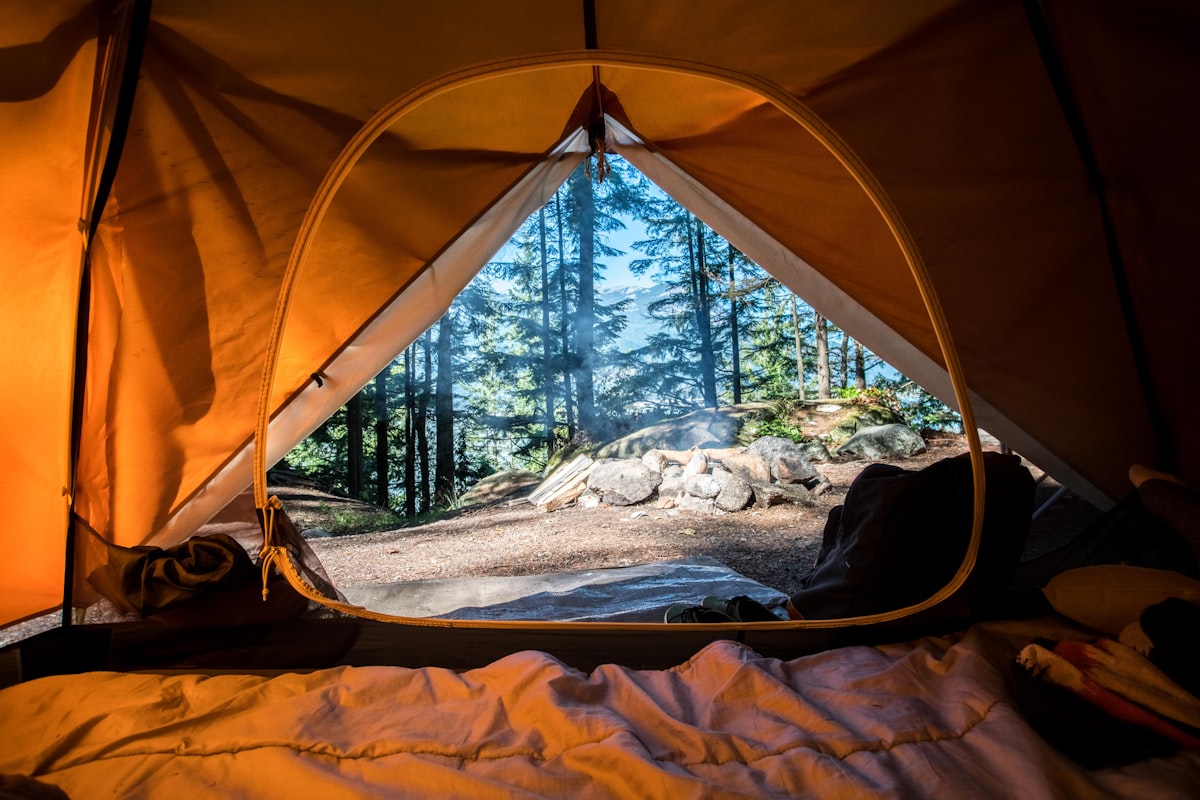
7. Keep Your Campsite Organized
A messy campsite can make even a comfortable trip feel stressful. Keep important items in predictable places so you can find them easily, especially after dark.
Store food and rubbish according to local wildlife guidelines, and keep wet or dirty equipment separate from clean items.
A small headlamp or lantern can also make nighttime tasks much easier than trying to use your phone’s flashlight.
Bonus Tip: Test Your Equipment Before Leaving
One of the easiest ways to improve comfort is to test your gear before the trip. Set up your tent, try your sleeping system, check your cooking equipment, and make sure your flashlight works.
Finding a problem at home is much easier than discovering it after arriving at a remote campsite.
Final Thoughts
Camping does not have to mean being uncomfortable. A suitable sleeping system, good campsite, weather-appropriate clothing, enjoyable food, insect protection, and an organized camp can make a major difference.
The secret is to prepare for the conditions without overpacking. Choose equipment that solves real problems and focus on the things that help you sleep well, stay dry, eat comfortably, and relax.
With a little planning, you can enjoy the adventure of camping while still having a comfortable place to rest at the end of the day.