Exploring nature is one of the best ways to relax, stay active, and discover beautiful places. Whether you are hiking through a forest, camping beside a lake, or walking along a mountain trail, every outdoor adventure comes with a responsibility to protect the environment.
Leave No Trace is a simple approach to outdoor recreation that encourages people to reduce their impact on natural areas. You do not have to be an expert environmentalist to follow these principles. A few thoughtful habits can make a meaningful difference.
1. Plan Before You Go
Good environmental practices begin before you reach the trail. Research the area, check local regulations, and learn about any restrictions on camping, fires, fishing, or collecting natural materials.
Knowing the rules can help you avoid accidentally damaging sensitive habitats or entering areas that are closed for protection.
2. Stay on Designated Trails
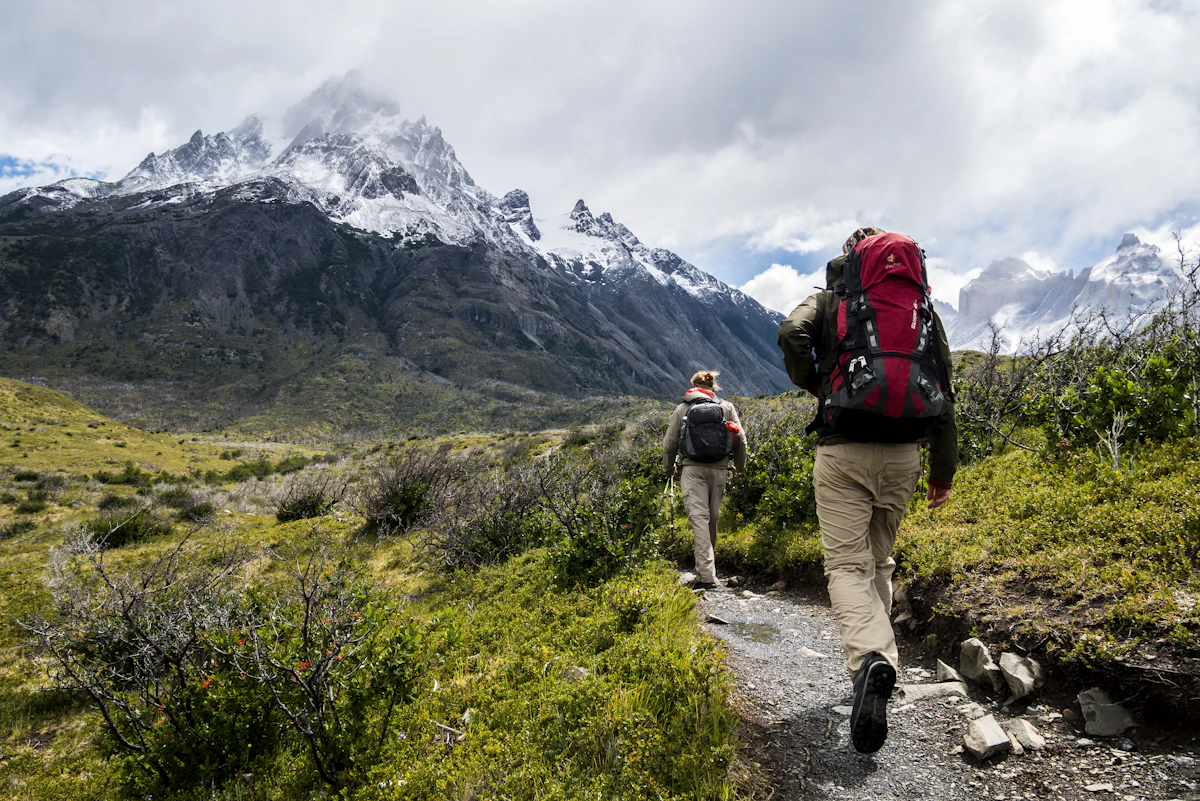
When hiking, stay on established trails whenever possible. Walking across vegetation can damage plants and gradually widen trails as more visitors follow the same path.
Avoid creating shortcuts, especially around steep slopes or muddy sections. Even a small shortcut can contribute to erosion over time.
3. Take Your Rubbish With You
One of the simplest Leave No Trace habits is to pack out everything you bring in.
Carry a small rubbish bag during hikes and use it for food wrappers, tissues, bottles, and other waste. Never assume that someone else will clean up after you.
If you see suitable small pieces of rubbish along the trail, collecting them can also help keep the area cleaner.
4. Dispose of Food Waste Properly
Food scraps may seem harmless, but they can attract wildlife and change animal behavior.
Never throw fruit peels, leftovers, or other food waste into the environment. Pack them out or use the appropriate waste facilities provided at the site.
5. Leave Plants, Rocks, and Natural Objects Where They Are
It can be tempting to take home a beautiful rock, flower, shell, or piece of wood as a souvenir.
However, natural objects are part of the ecosystem and landscape. Leave them where you find them so other visitors can enjoy them and wildlife can continue using the environment.
6. Respect Wildlife
Wild animals should be observed rather than disturbed. Keep a safe distance and never chase, feed, or attempt to touch wildlife.
Feeding animals can cause them to associate humans with food, potentially creating dangerous situations for both people and animals.
Use binoculars or a camera with a zoom lens when you want a closer look.

7. Keep Noise Under Control
Nature can be a peaceful environment, and excessive noise can disturb wildlife and other visitors.
Keep conversations at a reasonable volume and avoid loud music in natural areas. Allow yourself to experience the sounds of wind, water, and wildlife.
8. Camp in Suitable Locations
When camping, use established campsites whenever they are available. In areas where dispersed camping is permitted, choose durable surfaces that can handle foot traffic and camping equipment.
Avoid fragile vegetation, wetlands, and areas showing signs of environmental damage.
9. Be Careful With Campfires
Campfires can leave lasting marks on the environment. Always check whether fires are permitted before lighting one.
Use established fire rings where available and follow local restrictions. Keep fires small and never leave them unattended. Before leaving, make sure the fire is completely extinguished according to local guidance.
10. Use Water Responsibly
Rivers, lakes, and streams are important habitats for plants and animals. Avoid washing dishes, clothes, or personal items directly in natural water sources when doing so could introduce food particles, soap, or other contaminants.
Follow local guidance for collecting and treating water, and keep human activity away from sensitive water sources when possible.
11. Respect Other Visitors
Leaving no trace is not only about protecting nature. It is also about allowing other people to enjoy the outdoors.
Give other hikers space, respect quiet areas, and follow campsite rules. Avoid blocking trails or creating unnecessary disturbances.
12. Encourage Others to Protect Nature
Good outdoor habits become more powerful when shared. If you are hiking or camping with friends or family, encourage everyone to follow responsible practices.
Children can also learn simple habits such as carrying their rubbish, staying on trails, and observing animals without disturbing them.
Final Thoughts
Leaving no trace does not mean avoiding outdoor adventures. It means enjoying nature while taking responsibility for the impact you leave behind.
Stay on designated trails, carry out your rubbish, respect wildlife, avoid damaging plants, use campsites responsibly, and follow local regulations.
Every visitor has a role in protecting natural spaces. When we leave forests, mountains, lakes, and trails as close as possible to how we found them, we help ensure that these places remain beautiful and healthy for future generations.